15 Elegant Green and Wood Kitchen Ideas for Cozy Spaces
- Kitchen Decor Idea
Admin
- 0
- 40 minutes read
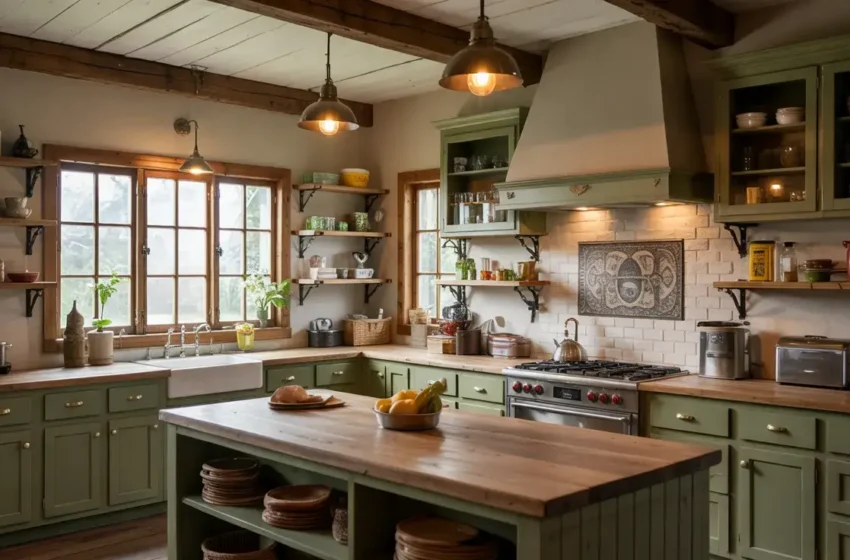
Here is your guide to creating the ultimate green and wood kitchen.
Stop Living in a Sterile White Box: The Case for Green and Wood
Let’s be honest for a second. We have all seen enough “hospital chic” kitchens to last a lifetime. You know the ones—blinding white countertops, white cabinets, white subway tile. They look great in a brochure, but do they feel like home? Absolutely not. I crave a space that hugs me when I walk in to make my morning coffee, not one that demands I put on a lab coat.
That is exactly why you are here. You want warmth. You want character. You want a kitchen that feels organic and grounded.
Enter the ultimate power couple of interior design: Green and Wood.
This combination works because it mimics the great outdoors. It is literally nature’s palette. When you pair the calming, restorative properties of green with the textural warmth of wood, you create a space that feels timeless rather than trendy. I recently repainted my own kitchen island a deep mossy green, and let me tell you, it completely changed the energy of the entire downstairs. It went from “meh” to magical in a weekend.
So, grab a notebook (or just bookmark this page). We are going to break down 15 killer ideas to bring this aesthetic into your home. FYI, I’m going to get specific with these suggestions because details matter. Let’s get into it.
1. Sage Green Cabinets with Natural Oak Accents

The Vibe: Spa-Like Serenity
If you want your kitchen to lower your blood pressure the second you walk in, this is the look for you. Sage green is essentially a neutral at this point. It pairs effortlessly with almost anything, but it truly sings when you place it next to natural oak.
Why This Combination Works
Sage possesses cool, silvery undertones. Natural oak, on the other hand, brings warmth and a slight yellow or honey hue. Opposites attract. The cool paint balances the warm wood, preventing the room from feeling too sterile or too “cabin-in-the-woods.”
Key Design Elements to Consider:
- Matte Finishes: Keep the sage paint matte or eggshell. High gloss makes sage look like 1950s bathroom tile.
- Hardware Selection: Brushed brass handles look incredible here. The gold tones pick up the warmth in the oak.
- Countertop Choice: A creamy quartz with light veining bridges the gap between the green and the wood perfectly.
I recommend using the oak sparingly if you have a small space. Think oak floating shelves or oak trim around a range hood. It keeps the design airy and light.
2. Forest Green Kitchen Island with Light Wood Base

The Vibe: Bold and Grounded
Maybe you aren’t ready to paint your entire kitchen green. I get it. Committing to a full color overhaul feels scary :/. That is why the “island-only” approach rocks.
Creating a Focal Point
By painting just the island a deep, rich forest green and keeping the perimeter cabinets or the island base a light wood, you anchor the room immediately. The forest green acts as a gravitational center. It commands attention.
Styling Tips for Success:
- Contrast is Key: Ensure your forest green is dark enough. If it’s too light, it won’t pop against the light wood.
- Seating Matters: Pair this island with leather barstools. The cognac color of leather against forest green? Chef’s kiss.
- Lighting: Hang oversized woven pendants above the island. The texture reinforces the natural vibe.
I love this look because it feels high-end without requiring you to buy brand-new cabinetry for the whole room. You basically get a custom look for the price of a gallon of paint and some sandpaper.
3. Olive Green Shaker Cabinets and Walnut Countertops

The Vibe: Old World Charm meets Modern Function
Okay, this one is for the drama lovers. Olive green is moody, sophisticated, and earthy. When you slap a slab of dark walnut on top of it, you create a kitchen that feels expensive.
Material Selection
Walnut is a softer wood, so you might wonder, “Is this actually practical?” Yes, but with caveats. You have to maintain butcher block. If you aren’t the type to oil your countertops once every few months, skip the real wood and get a walnut-look laminate or quartz. But IMO, nothing beats the feel of real timber.
Why Olive and Walnut Work Together:
- Tonal Harmony: Both colors have deep, muddy undertones. They blend rather than contrast sharply.
- Historical Feel: This combo looks fantastic in older homes or spaces where you want to add architectural soul.
- Warmth Factor: This is the coziest option on the list. It feels like a hug.
If you go this route, keep your backsplash simple. A creamy Zellige tile adds texture without fighting the heavy visual weight of the cabinets and counters.
4. Soft Green Backsplash with Open Wooden Shelving

The Vibe: Airy and Eclectic
Perhaps you prefer white cabinets but still want that green-and-wood magic. Move the color to the walls.
The Strategy
Install a soft, seafoam or pale green backsplash—preferably a tile with some variation in color—and mount chunky wooden shelves directly over it. This allows the wood to “float” in a sea of green.
The Reality of Open Shelving
Let’s address the elephant in the room. You have to keep these shelves tidy. If your dinnerware consists of plastic cups and chipped plates, hide them in a cabinet. This look demands aesthetically pleasing ceramics.
Execution Steps:
- Tile Choice: Look for “glazed” tiles. They reflect light and make the green feel dynamic.
- Wood Tone: Go for a medium stain. Too light, and it blends in; too dark, and it looks harsh against soft green.
- Styling: Place a trailing plant (like a Pothos) on the shelf. The live green leaves connect the wood shelf to the green tile visually.
I tried this in a rental once using peel-and-stick tile and temporary shelving. It completely transformed the kitchenette from sad to stunning.
5. Matte Green Lower Cabinets with Warm Wood Uppers

The Vibe: Visual Balance
This is my favorite trick for kitchens with low ceilings. By putting the darker color (green) on the bottom and the lighter texture (wood) on top, you trick the eye.
Why It Expands the Space
Dark colors feel “heavy,” so keeping them on the floor grounds the space. Wood uppers feel lighter and more furniture-like than painted cabinets. This prevents the “tunnel effect” that happens when you paint floor-to-ceiling cabinets a dark color in a narrow galley kitchen.
Choosing the Right Wood Grain:
- Avoid: Knotty pine. It looks too rustic and busy for this two-tone look.
- Choose: Rift-sawn oak or ash. The straight grain lines look modern and clean.
Design Insight:
Keep the backsplash white or very light neutral. It creates a crisp band between the green lowers and wood uppers, allowing both materials to stand out on their own.
6. Green and Wood Scandinavian Style Kitchen

The Vibe: Minimalist Functionality
Scandi design creates spaces that breathe. We aren’t talking about clutter here. We are talking about pale, muted greens and blonde woods.
The Color Palette
Think pistachio or lichen green paired with birch or light maple. The goal creates a space that feels bright even on a gloomy winter day.
Essential Features:
- Flat-Front Cabinets: No shaker styles here. Keep the doors sleek and handle-less if possible.
- Clean Lines: The wood elements should be simple. Think simple wooden dowel legs on a table or a plain wooden countertop.
- Function First: Every item on the counter must have a purpose. A beautiful wooden cutting board leaning against a green backsplash serves as decor and a tool.
I find this style particularly calming because it reduces visual noise. If you get stressed easily while cooking (who doesn’t?), a Scandi kitchen helps keep the panic levels down.
7. Dark Green Cabinets with Butcher Block Counters

The Vibe: The Modern Cottage
This is the look taking over Instagram, and for good reason. It’s approachable and cozy.
Budget-Friendly Elegance
Here is a secret: Butcher block is one of the most affordable countertop materials out there. By pairing affordable wooden counters with a high-end looking dark green paint (like a Hunter Green), you elevate the whole room on a budget.
Maintenance vs. Aesthetic:
- Sealing: You must seal the wood around the sink aggressively. Water is the enemy here.
- Patina: Embrace the scratches. In a cottage-style kitchen, a pristine countertop looks suspicious. You want it to look lived-in.
Lighting Suggestion:
Use warm white bulbs (2700K). Cool daylight bulbs will turn your rich dark green into a weird teal and make the wood look sickly. Lighting makes or breaks this combo.
8. Muted Green Cabinets with Vertical Wood Paneling

The Vibe: Texture Overload
Paint is great, but texture is better. Adding vertical wood paneling (like beadboard or slat walls) breaks up the monotony of flat walls.
Integrating the Look
Imagine muted, gray-green cabinets paired with a natural wood slat wall behind the breakfast nook or lining the back of a glass-front cabinet. The vertical lines draw the eye upward, making the room feel taller.
Why Vertical?
- Height Illusion: Just like wearing vertical stripes, vertical wood slats make the room look taller.
- Mid-Century Nod: Wood slat walls scream “cool 1960s architect lived here.”
My Take:
I love using wood paneling to cover up uneven walls. If you live in an old house with plaster that’s seen better days, cover it with wood slats, stain them a warm honey tone, and paint your cabinets sage. Problem solved, and it looks intentional.
9. Green Island Paired with Exposed Wood Beams

The Vibe: Architectural Drama
If you are lucky enough to have exposed beams, flaunt them. If not, you can actually install faux beams that look frighteningly real.
Connecting the Elements
The key here lies in matching the stain of the beams to the accents in the kitchen. If you paint your island a vibrant grassy green, keep the beams a rough-hewn, dark stain.
Balancing the Weight:
- The Ceiling: Beams add visual weight to the ceiling.
- The Floor: You need something to balance that. A large green island creates that necessary counterweight.
Rhetorical Question:
Ever walked into a room with beams and felt like the ceiling was falling on you? That’s because the floor was too light. Ground the space with that green island. It anchors the room so the beams feel lofty, not oppressive.
10. Two-Tone Green and Wood Modern Kitchen

The Vibe: Sleek and Serious
This is for the person who loves a clean edge. We are moving away from the cottage vibe into strict modernism.
The Layout
Use a wall of tall pantry cabinets in a walnut or mahogany veneer. Then, have your main island or lower prep cabinets in a high-gloss or satin emerald green.
Why It Works:
- Reflectivity: Glossy green reflects light, making the space feel larger.
- Veneer Warmth: The wood veneer prevents the modern design from feeling like a spaceship.
Hardware Note:
Skip the knobs. Use push-to-open latches or integrated finger pulls. The beauty here relies on the unbroken surfaces of the wood grain and the green color block. Anything else distracts from the art.
11. Pale Green Cabinets with Maple Wood Details

The Vibe: Soft and Airy
Not everyone wants a moody kitchen. Some of us want a kitchen that feels like spring morning all year round.
The Combination
Pale green—almost a mint or a very light pistachio—pairs beautifully with maple. Maple has a very subtle grain pattern and a light color that doesn’t yellow as much as pine or oak can over time.
Where to Use the Maple:
- Trim: Use maple for the toe kicks and crown molding.
- Furniture: A maple dining table in an eat-in kitchen.
- Flooring: Maple floors are incredibly durable.
Styling Advice:
Accents of white marble look stunning here. A marble countertop with grey veining ties the pale green and light maple together seamlessly. It’s a very delicate, sophisticated palette that works wonders in small city apartments.
12. Green Cabinets with Floating Wooden Shelves

The Vibe: Curated and Open
We touched on shelves before, but this focuses on the floating aspect specifically.
The Installation
Thick, heavy-duty wooden shelves that have no visible brackets look magical against a green wall. It makes the wood look like it’s growing out of the cabinetry.
Design Strategy:
- Backdrop: Paint the wall behind the shelves the same green as the cabinets. This creates a monochromatic backdrop that makes the wood pop.
- Thickness: The shelves need to be at least 2 inches thick. Thin shelves look cheap and will bow under the weight of your stack of cookbooks.
- Lighting: Route a channel in the bottom of the wood shelf for an LED strip light. This illuminates the counter below and highlights the green paint.
I installed floating shelves in my laundry room (the cousin of the kitchen), and the functionality is unmatched. You see everything you have, so you stop buying spices you already own.
13. Earthy Green Kitchen with Reclaimed Wood Elements

The Vibe: Rustic History
There is something soulful about wood that has a past. Reclaimed wood brings texture that new lumber just cannot replicate.
How to Use It
Pair a muddy, swampy green (sounds gross, looks amazing) with a reclaimed wood island top or a reclaimed wood accent wall. The imperfections in the wood—nail holes, saw marks, knots—add character.
Sourcing the Wood:
- Look Local: Check local salvage yards.
- Be Careful: Ensure the wood is treated for pests. You do not want termites invited to dinner.
Why It Fits:
Earthy green colors feel ancient and natural. Reclaimed wood feels ancient and natural. It’s a match made in design heaven. This style resists the urge to be “perfect.” It allows your kitchen to look lived-in and loved, which is arguably the most important aesthetic of all.
14. Green and Wood Japandi Minimalist Kitchen

The Vibe: East meets West
Japandi is the fusion of Japanese rustic minimalism and Scandinavian functionality. It is arguably the trendiest style right now, but it has staying power.
The Palette
Think muted, grey-toned greens (like dry moss) mixed with light oak or bamboo. Bamboo is technically a grass, but it serves the “wood” role here perfectly with its linear texture.
Key Characteristics:
- Low Profile: Furniture and cabinets often sit lower to the ground.
- Texture: Use slat wood details (very Japanese architecture) combined with clean green surfaces.
- Imperfection: Embrace wabi-sabi (finding beauty in imperfection). Handmade ceramic bowls on a wooden shelf against a green wall capture this perfectly.
My Opinion:
This is the hardest look to pull off because it requires extreme discipline. You cannot have a cluttered counter in a Japandi kitchen. It ruins the Zen. If you are messy, skip this one.
15. Green Cabinetry with Natural Wood Flooring

The Vibe: The Foundation
Sometimes the “wood” element doesn’t need to be on the walls or counters. Sometimes, it just needs to be the floor.
The Contrast
If you have beautiful original hardwood floors, show them off. Paint your cabinets a vibrant green that contrasts with the floor stain.
Color Theory Applied:
- Red undertone floors (Cherry/Mahogany): Pair with a cooler, blue-based green to balance the heat.
- Yellow undertone floors (Oak/Pine): Pair with a warmer, olive-based green to harmonize.
Design Tip:
Place a runner rug with both green and wood tones in front of the sink. It bridges the gap between the vertical cabinet color and the horizontal floor color. Plus, it saves your feet while you do dishes.
Wrapping It Up
There you have it—15 ways to stop playing it safe and start designing a kitchen that actually feels like a home. Whether you go for the moody drama of olive and walnut or the fresh breeze of sage and maple, you cannot lose with this combination.
Green and wood work because they tap into something primal. They remind us of the world outside our windows. In an era where we spend so much time staring at screens, building a space that feels organic is vital for our mental health.
Don’t be afraid to test paint swatches. Paint looks different in the morning light than it does at midnight. Buy the sample pot. Paint a big square on your wall. Live with it for a few days.
Now, go forth and renovate. And please, for the love of design, step away from the all-white showroom catalog. Your kitchen deserves better. 🙂