Scroll through TikTok or Pinterest right now, and you’ll see it everywhere: sunlit rooms with cream-colored walls, well-worn leather chairs, brass lamps casting a warm glow, and shelves lined with vintage books. The “old money” aesthetic has exploded across social media, and for good reason—it feels calm, sophisticated, and effortlessly elegant.
Here’s the thing, though. You don’t need a trust fund, a family estate in Connecticut, or a five-figure furniture budget to capture that look. Old money home decor on a budget is absolutely achievable with smart shopping, a few DIY tricks, and an eye for timeless design over fleeting trends.
In this guide, I’ll walk you through exactly how to build a heritage-inspired, quietly luxurious home using affordable strategies and accessible US retailers. Whether you own a starter home in the suburbs or rent a one-bedroom apartment in the city, these tips will help you create spaces that look like they’ve been lovingly curated over decades—not assembled in a weekend shopping spree.
Let’s get into it.
What Is the Old Money Aesthetic?
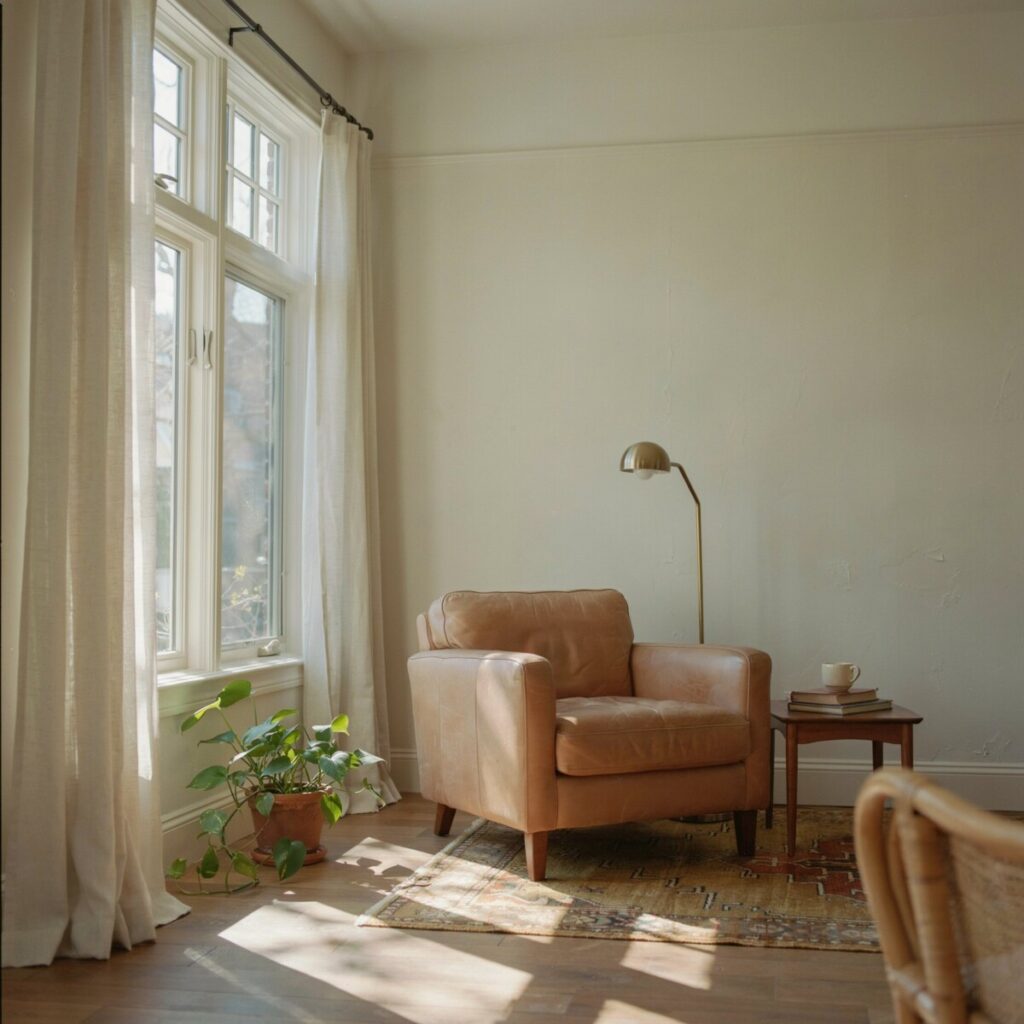
Before you start shopping, it helps to understand what makes old money aesthetic interior design actually work. At its core, this style is about restraint, quality, and a sense of history. Think inherited antiques, well-made furniture that’s been reupholstered twice, oil paintings in gilded frames, and rooms that feel lived-in rather than staged.
Old money style isn’t flashy. You won’t see oversized logos, neon accents, or ultra-modern minimalist furniture here. Instead, the look leans into:
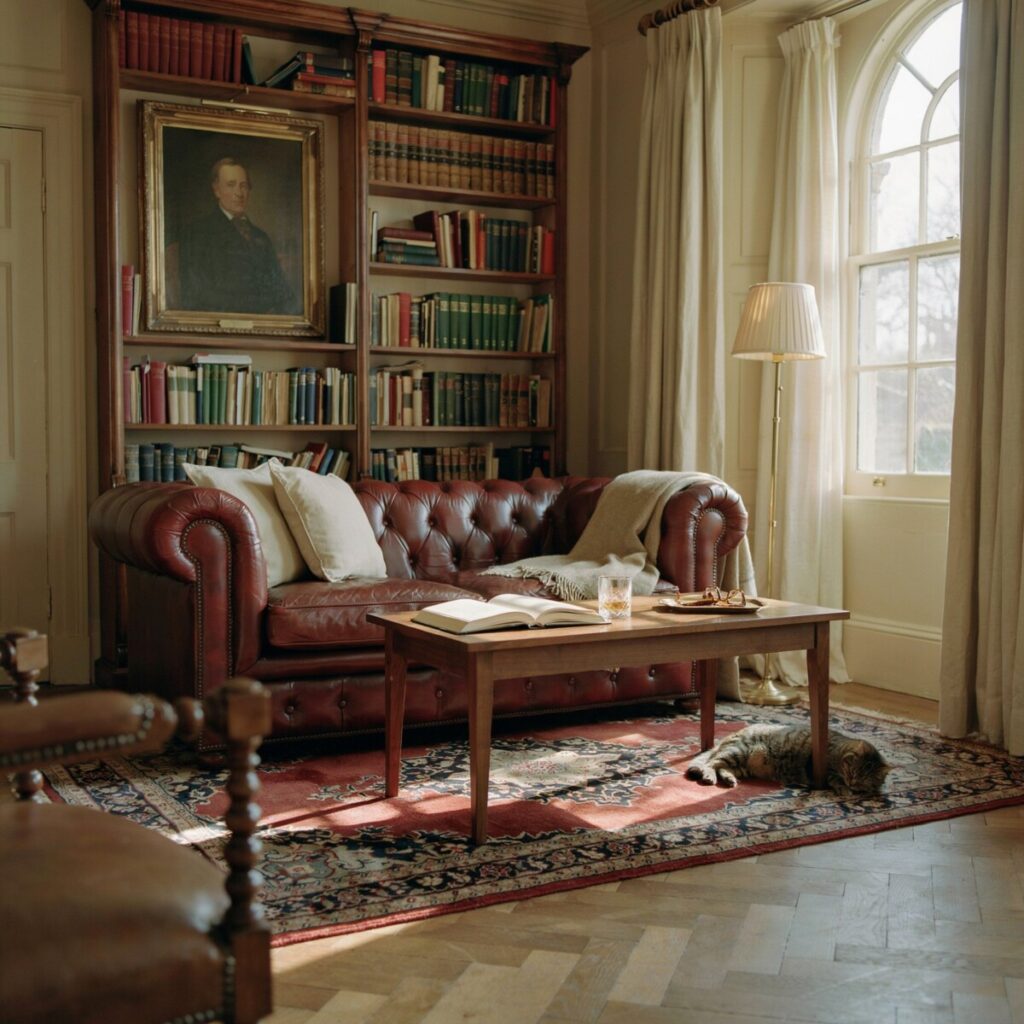
- Classic silhouettes: Wingback chairs, rolled-arm sofas, pedestal tables, and cabriole legs.
- Rich, muted palettes: Creams, navies, forest greens, and warm wood tones.
- Natural materials: Solid wood, linen, leather, brass, and stone.
- A “collected over time” feel: Nothing looks brand-new or bought as a matching set.
This is sometimes called “quiet luxury home decor” or “understated luxury home design,” and it stands in sharp contrast to the glossy, trend-driven look of “new money” interiors. The goal isn’t to impress with price tags. It’s to create a space that feels warm, layered, and quietly confident.
And the best part? Traditional home decor USA has always embraced many of these elements. You’re not reinventing the wheel—you’re leaning into design traditions that have been around for generations.
Start With a Neutral, Sophisticated Color Palette
Color is the foundation of any elegant space, and a neutral color palette interior design approach is your best friend here. Start with walls in soft, warm tones: cream, warm white, beige, taupe, or a gentle greige. These colors make rooms feel larger, calmer, and instantly more refined.
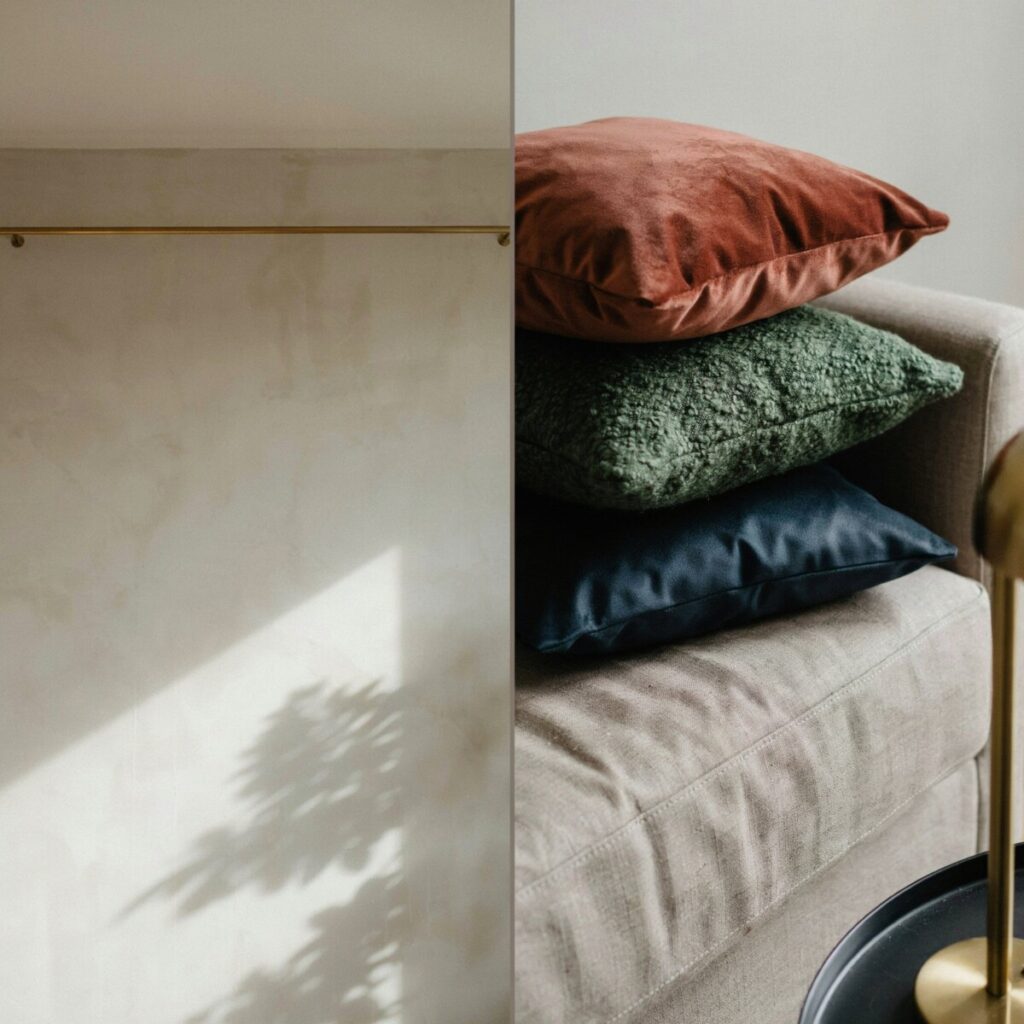
Then layer in deeper accents. Think navy throw pillows, a forest-green velvet chair, burgundy books on a shelf, or charcoal-framed artwork. These classic color schemes for homes give you depth without chaos.
Renter-friendly tips:
- Paint one accent wall in a deep hue (navy or sage green work beautifully).
- Use removable wallpaper in a subtle damask or stripe pattern.
- Keep large furniture neutral and add color through pillows, throws, and curtains.
You don’t need to repaint an entire apartment. Sometimes one well-chosen accent wall or a set of cream linen curtains transforms the whole room. These elegant home decor tips cost next to nothing but shift the mood dramatically.
Invest in Key Furniture Pieces (Without Overspending)
Furniture is where most people assume they need to spend big. You don’t. The secret to affordable old money style is focusing on a few anchor pieces—your sofa, dining table, and bed frame—and sourcing them smartly.
Look for solid wood construction, classic proportions, and timeless silhouettes. A rolled-arm sofa in a neutral fabric, a pedestal-base dining table, or a wingback armchair will read as “traditional furniture styles” no matter where you bought them.
Budget strategies that actually work:
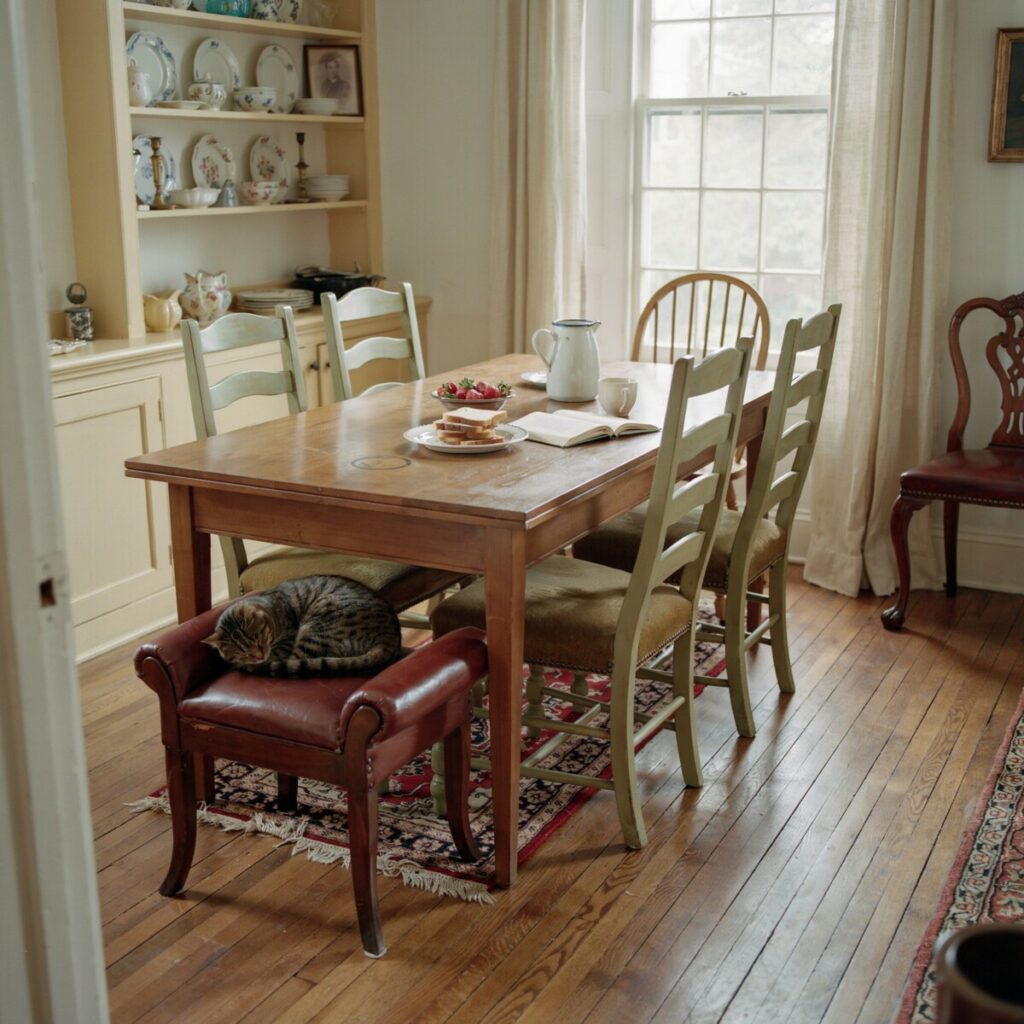
- Shop secondhand first. Estate sales, Facebook Marketplace, and local thrift stores are goldmines for vintage furniture for old money look. I once found a solid oak dining table with six chairs for $180 on Facebook Marketplace in Ohio. A little wood polish and new chair pads made it look like it belonged in a Williamsburg catalog.
- Reupholster or paint. A dated but well-built armchair can be transformed with $40 of fabric from Joann. A scratched dresser looks brand-new with a coat of cream chalk paint.
- Shop budget retailers for new pieces. HomeGoods, Target, Wayfair, and Amazon all carry classic-style furniture at reasonable prices. Search for “traditional rolled arm sofa” or “pedestal dining table” and filter by reviews.
The key is choosing quality bones over trendy finishes. A solid wood table with a simple silhouette will outlast any fast-furniture piece covered in high-gloss lacquer.
Add Architectural Details on a Budget
Nothing elevates a room quite like architectural detail, and this is one of the most effective ways to learn how to make your home look expensive without actually spending a fortune.
Crown molding, chair rails, wainscoting, and picture rails add instant character. If you own your home, basic MDF crown molding from Home Depot costs around $1–$3 per linear foot, and DIY installation tutorials are everywhere on YouTube.
Renters, don’t worry. You have options too:
- Peel-and-stick molding strips (available on Amazon) mimic crown molding or chair rails without damaging walls.
- Removable wainscoting panels in lightweight PVC snap up with adhesive strips.
- Paint existing trim in a classic color like soft white, off-black, or deep green to make it pop.
Budget-friendly crown molding and trim can take a plain drywall box and turn it into a room that feels like it was designed in the 1920s. It’s one of those timeless home decor ideas that pays off visually far beyond its price tag.
Layer in Luxe Textures and Fabrics
If color is the foundation, texture is what makes a room feel rich and lived-in. Layered textures interior design is a hallmark of quiet luxury home decor, and it’s surprisingly easy to achieve on a budget.
Focus on natural fabrics: linen, cotton, velvet, and wool. You don’t need designer upholstery. A set of linen curtains old money style (think relaxed, slightly rumpled, floor-length panels in cream or oatmeal) from Target or Amazon can cost under $50 per panel and completely soften a room.
Add a Persian-style rug to anchor your seating area. You don’t need a $5,000 antique. Wayfair, Rugs USA, and even Costco carry gorgeous Persian-style rugs on a budget—machine-made versions in the $100–$300 range that look convincingly vintage. Layer a smaller kilim or jute rug on top for extra depth.
Quick texture layering checklist:
- Linen or cotton curtains in a neutral tone
- A velvet accent pillow or two on the sofa
- A chunky-knit wool throw draped over a chair arm
- A Persian-style or Oriental-pattern area rug
- A stack of leather-bound books on the coffee table
Each layer adds warmth and visual interest without requiring a single expensive purchase.
Choose Timeless Lighting and Hardware
Lighting is the jewelry of a room, and swapping out builder-grade fixtures is one of the fastest upgrades you can make. Look for vintage-inspired lighting fixtures: a small brass chandelier over the dining table, wall sconces with fabric shades in the hallway, or a classic table lamp with a pleated shade on your nightstand.
Warm-toned bulbs (2700K) are essential. They give off that cozy, golden glow you see in every old money interior photo. Cool white bulbs will make even the most beautiful room feel sterile and modern.
Hardware matters too. Swap out shiny chrome cabinet pulls for brushed brass or antique bronze knobs. You can find sets of 10 on Amazon for under $20. Brass fixtures timeless decor works in kitchens, bathrooms, and dressers alike.
Where to shop:
- HomeGoods and TJ Maxx for affordable table lamps and small chandeliers
- Amazon for brass hardware and plug-in wall sconces
- Lamps Plus for classic silhouettes at mid-range prices
- Estate sales and thrift stores for genuine vintage pieces
This is high-end home decor for less at its finest—a $35 lamp and a $12 set of brass pulls can transform a room overnight.
Decorate With Art, Books, and Collections
Empty walls feel cold. Gallery walls feel trendy. The old money approach? A few well-chosen pieces that look like they’ve been in the family for years.
Hang equestrian wall art decor, landscape oil painting reproductions, or chinoiserie art prints in simple wood or gold frames. You can find beautiful prints on Etsy for $15–$30, or pick up vintage frames at thrift stores and print free public-domain artwork from museum websites like The Met or the Smithsonian.
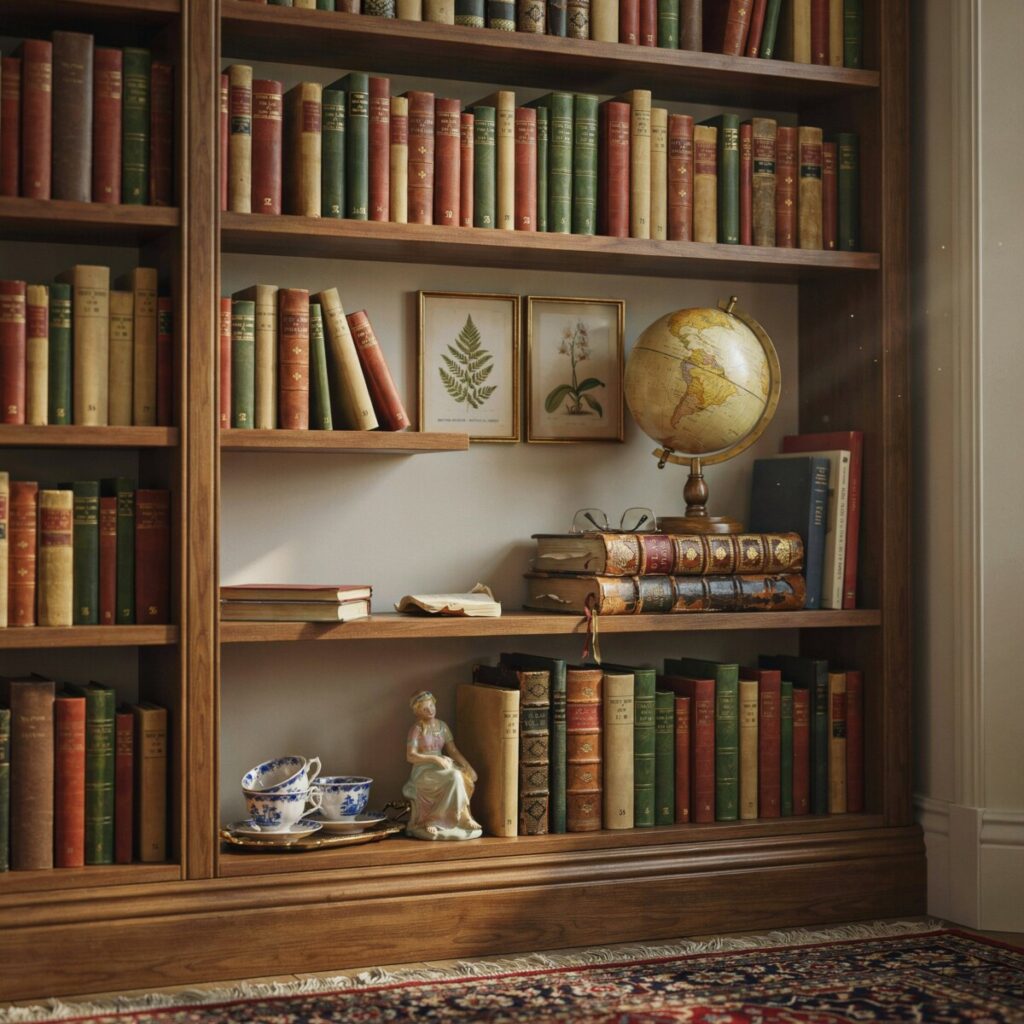
Style your bookshelves intentionally. Mix old hardcover books (grab a set from a used bookstore for $10) with small brass objects, a vintage globe, or a piece of antique and vintage home accents like a porcelain bowl or a crystal decanter.
The goal is a heritage-inspired home decor feel—rooms that suggest someone has been thoughtfully collecting and arranging these objects over a lifetime. You don’t need actual antiques. You need patience and a good eye at estate sales.
Room-by-Room Old Money Decor Tips
Living Room
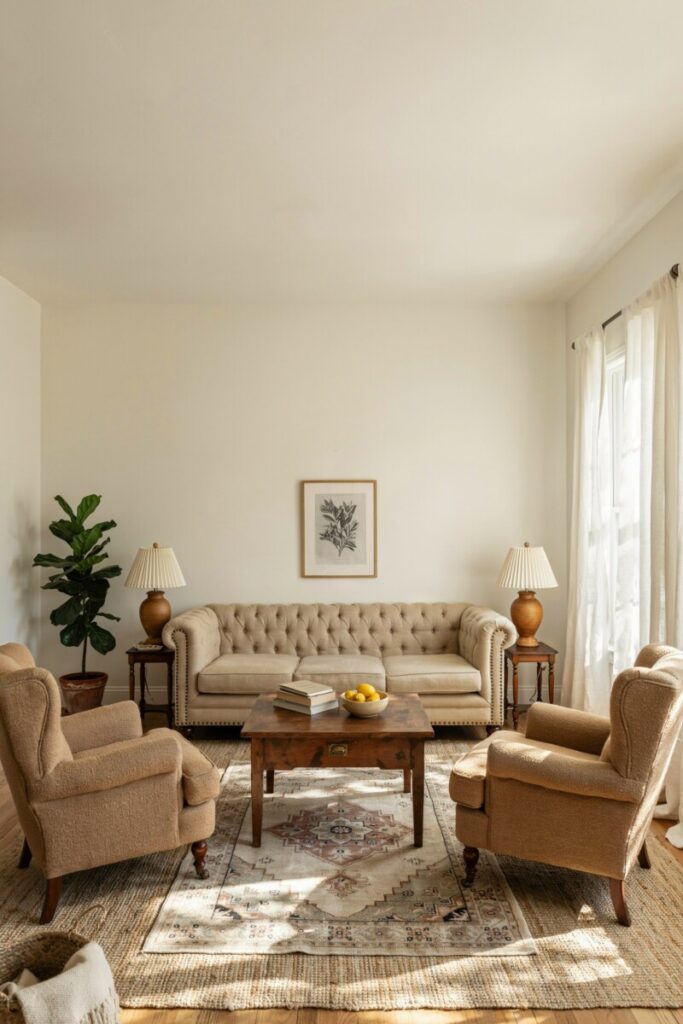
Start with a classic sofa in a neutral fabric. Layer two rugs (a large neutral one underneath, a smaller patterned one on top). Arrange furniture symmetrically—two matching table lamps flanking the sofa, paired armchairs across the coffee table. Add a vintage wooden coffee table from a thrift store. This is elegant living room decor on a budget in its purest form.
Bedroom
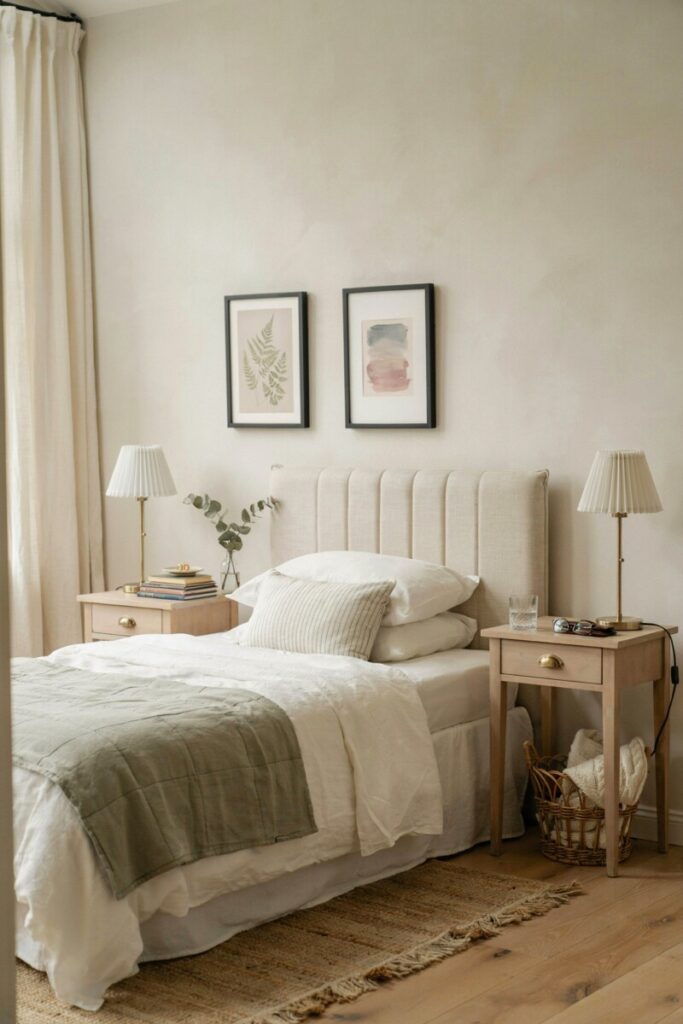
Go for cozy old money bedroom ideas: an upholstered headboard (DIY one with foam and linen fabric for under $80), crisp white cotton bedding layered with a quilted coverlet, matching nightstands with brass table lamps, and one or two framed prints above the bed. Keep surfaces tidy but not bare.
Dining Room
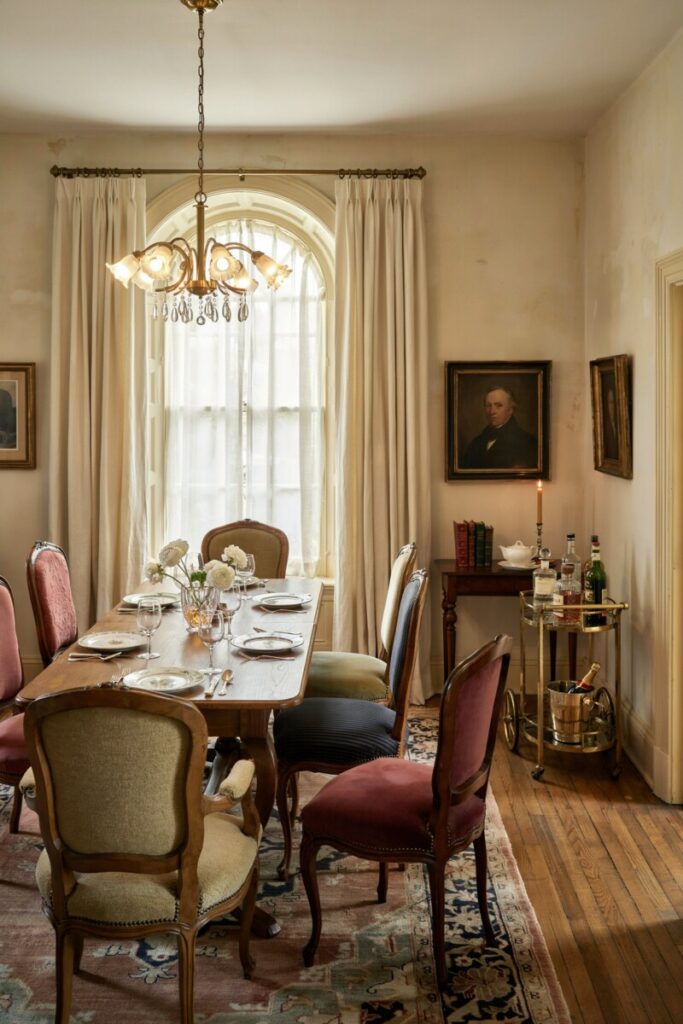
A solid wood table, mismatched-but-coordinated upholstered chairs, and a statement chandelier create the old money dining room aesthetic instantly. Add a vintage bar cart in the corner stocked with a few glass bottles and a brass ice bucket. Thrift stores often have these for $30–$60.
Bathroom
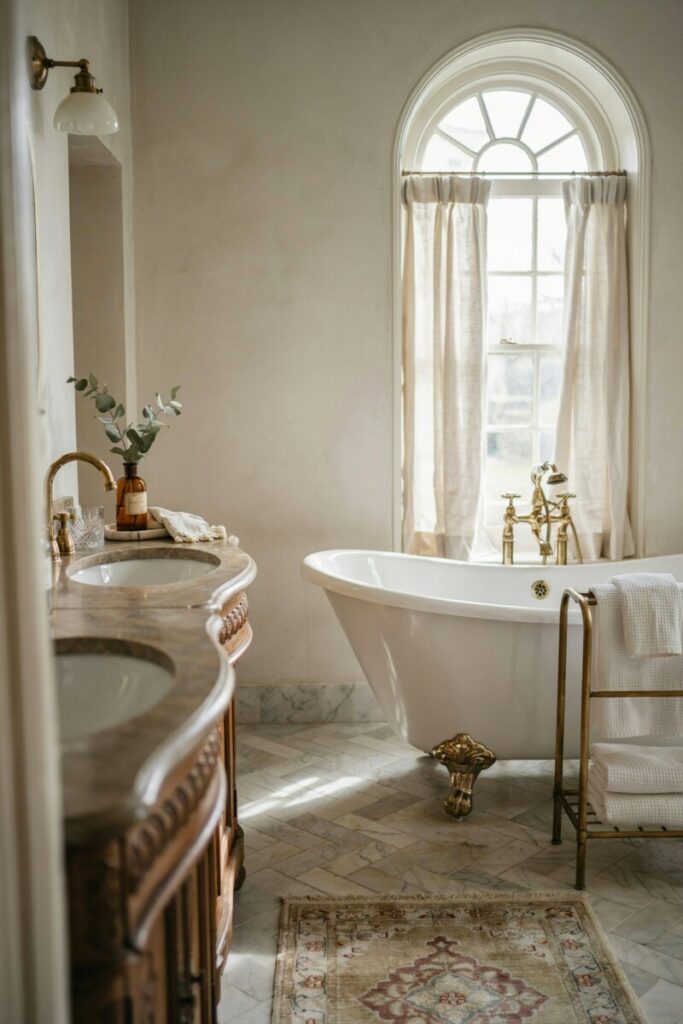
Small space, big impact. Swap hardware to brass, hang textured waffle-weave towels in cream, add a framed botanical print, and set out a small dish of fancy soap. Instantly elevated.
Common Mistakes to Avoid
Even with the best intentions, a few missteps can pull your space away from that understated luxury home design feel. Watch out for these:
- Leaning too trendy. Neon signs, acrylic furniture, or ultra-modern geometric shapes clash with the old money vibe. Stick with classic forms.
- Buying matchy-matchy sets. A full matching bedroom suite screams showroom. Mix woods, mix eras, mix textures.
- Ignoring scale. A tiny 4×6 rug in a large living room looks lost. An 8×10 or 9×12 rug grounds the space properly. Same with art—go bigger than you think.
- Letting clutter win. Old money style looks effortless, not messy. Edit regularly. If something is chipped, stained, or broken, repair or replace it.
- Overlooking maintenance. Polished wood, clean brass, and pressed linens make all the difference.
These timeless decor pieces worth investing in will serve you for decades if you care for them properly.
Final Thoughts & Quick Checklist
Here’s the beautiful truth about old money home decor on a budget: it was never really about the money. It’s about choosing fewer, better things. It’s about warm neutrals, natural textures, classic shapes, and rooms that feel collected rather than decorated.
Your quick-start checklist:
✓ Choose a neutral base palette with 2–3 rich accent colors
✓ Source 2–3 key furniture pieces secondhand or from budget retailers
✓ Add architectural detail (even peel-and-stick counts)
✓ Layer linen, velvet, wool, and a Persian-style rug
✓ Swap lighting for warm, vintage-inspired fixtures
✓ Hang classic art and style books and collections
✓ Edit, polish, and maintain
You don’t have to do it all at once. Pick one room. Pick two or three changes. Build slowly, the way the best homes always have been built.
If this guide helped you see your space differently, pin it for later or share your old money decor transformation in the comments. I’d love to see what you create.