Why Your Interior Design Style Matters
Your home is more than four walls and a roof—it’s a reflection of who you are. Whether you’ve just closed on your first house in Austin, signed a lease on a Brooklyn apartment, or are finally ready to refresh the family home in suburban Chicago, choosing a cohesive interior design style is one of the most impactful decisions you’ll make as a homeowner or renter.
The right style does three powerful things: it makes your space feel intentional rather than haphazard, it boosts comfort and daily functionality, and it can significantly affect your home’s resale value. A well-designed home sells faster and for more money, according to the National Association of Realtors’ annual home staging report.
But with dozens of home design styles to choose from—each with its own vocabulary of colors, textures, and silhouettes—the process can feel overwhelming. That’s where this guide comes in.
In the next 2,500 words, you’ll get clear, jargon-free descriptions of the 12 most popular types of interior design, a quick diagnostic quiz to pinpoint your aesthetic, room-by-room implementation tips, budget-friendly shopping sources available across the US, and rules for mixing styles like a pro. Let’s find your look.
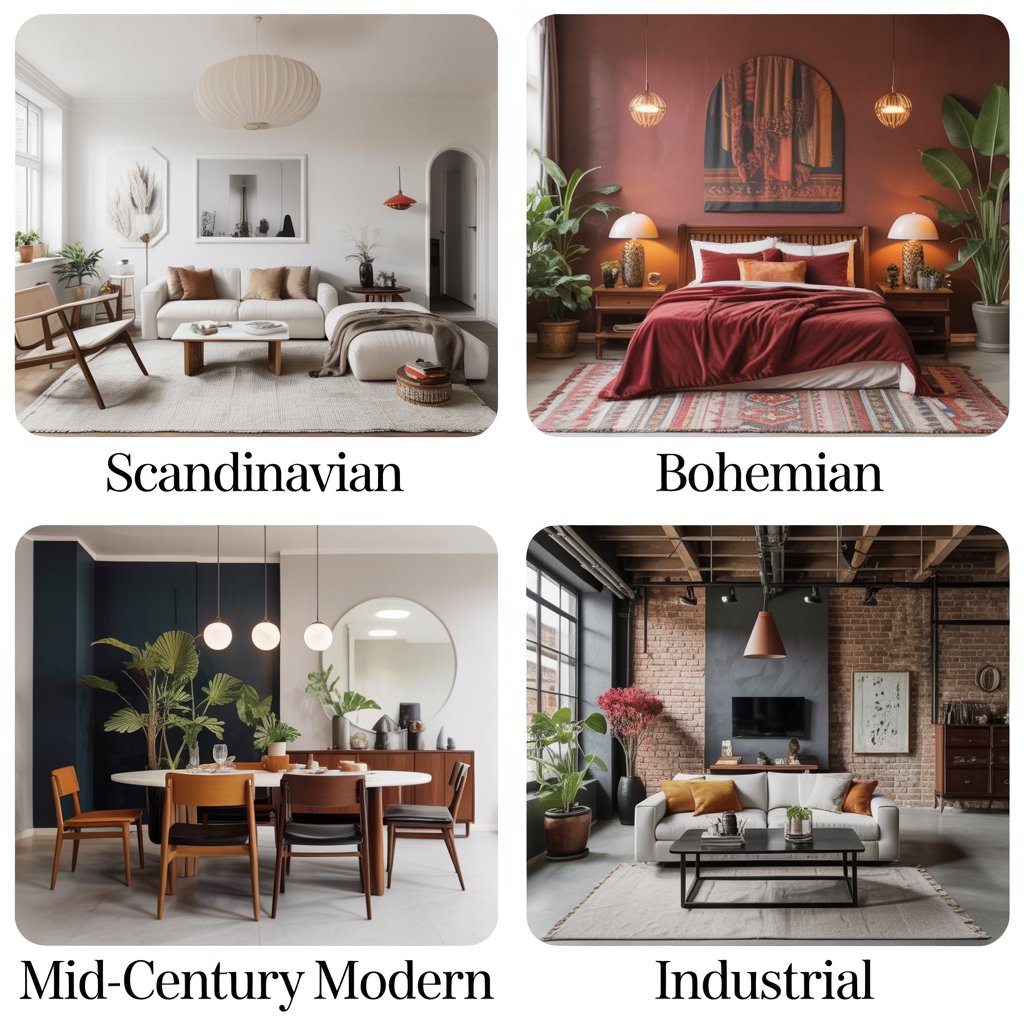
Which Style Fits Your Home? (Quick Quiz)
Before diving into the style breakdown, answer these five questions to narrow your direction:
| # | Question | If you answered… | Lean toward… |
|---|---|---|---|
| 1 | What’s your ideal color palette? | Neutrals & whites | Minimalist, Scandinavian, Coastal |
| Warm earth tones | Farmhouse, Rustic, Mediterranean | ||
| Bold, saturated hues | Bohemian, Eclectic, Traditional | ||
| Grays, blacks, metals | Industrial, Contemporary | ||
| 2 | How do you feel about clutter? | Hate it | Minimalist, Modern |
| Love curated collections | Boho, Eclectic, Traditional | ||
| 3 | What’s your home’s architecture? | Open loft / exposed brick | Industrial |
| Ranch / suburban build | Transitional, Farmhouse | ||
| Craftsman bungalow | Rustic, Traditional | ||
| Coastal or stucco | Mediterranean, Coastal | ||
| 4 | What’s your budget approach? | Thrift & DIY | Boho, Eclectic, Farmhouse |
| Invest in fewer quality pieces | Modern, Scandinavian | ||
| 5 | What energy do you want at home? | Calm & serene | Scandinavian, Coastal, Minimalist |
| Warm & inviting | Farmhouse, Traditional, Rustic | ||
| Edgy & creative | Industrial, Bohemian, Eclectic |
Quick method: Match your architecture + lifestyle + budget. A sleek condo in downtown Miami naturally suits Contemporary or Coastal, while a 1920s Tudor in Minneapolis lends itself to Traditional or Transitional design.
💡 Designer Tip: You don’t have to commit to one style. Most well-designed US homes blend two or three. The key is choosing a dominant style (about 70%) and a secondary accent style (30%).
12 Interior Design Styles Explained
Below is your comprehensive style guide for home decor, covering the most sought-after looks in American homes today.
1. Modern (Mid-Century Modern Influences)
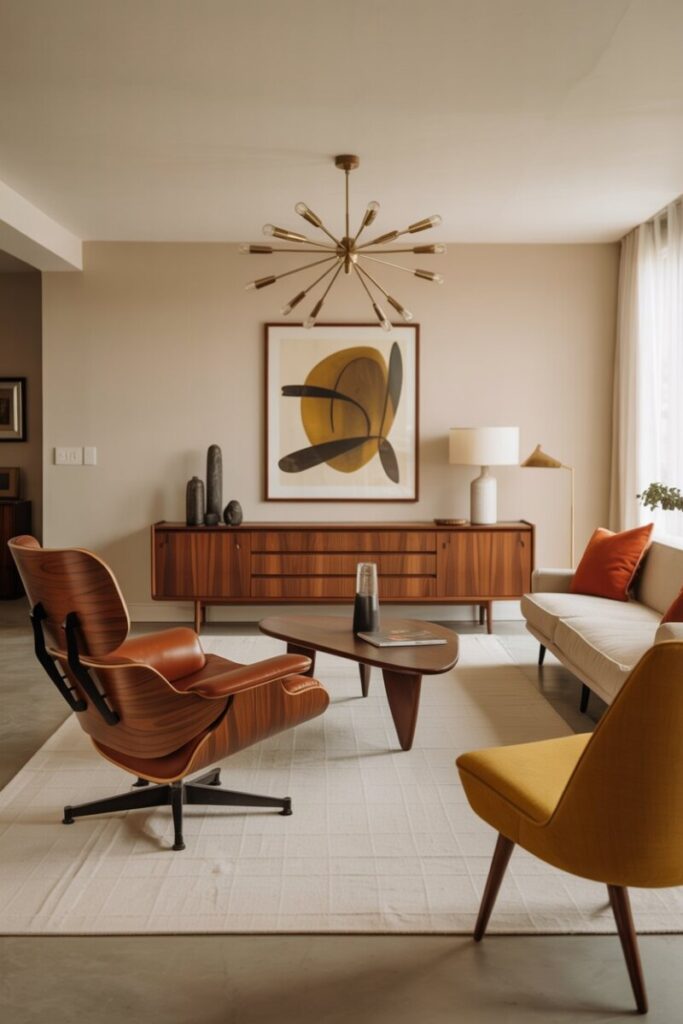
Defining characteristics: Clean geometric lines, organic curves, and a “less is more” philosophy rooted in the Mid-Century Modern movement of the 1940s–1960s.
Color palette: Warm neutrals (cream, tan, olive) punctuated by burnt orange, mustard yellow, or teal accents.
Key materials: Walnut and teak wood, molded plywood, fiberglass, leather, and brass hardware.
Signature pieces: Eames lounge chair, Noguchi coffee table, tapered-leg credenzas, Sputnik chandeliers.
Layout & flow: Open floor plans with furniture arranged in conversational groupings; low-profile pieces keep sightlines open.
Practical tip: Anchor a modern living room with one authentic or high-quality reproduction statement piece (like a walnut sideboard from West Elm or Article) and build simpler, budget-friendly items around it.
Hybrid note: Scandinavian-Modern blends MCM silhouettes with softer Nordic textures like sheepskin and light oak.
2. Contemporary
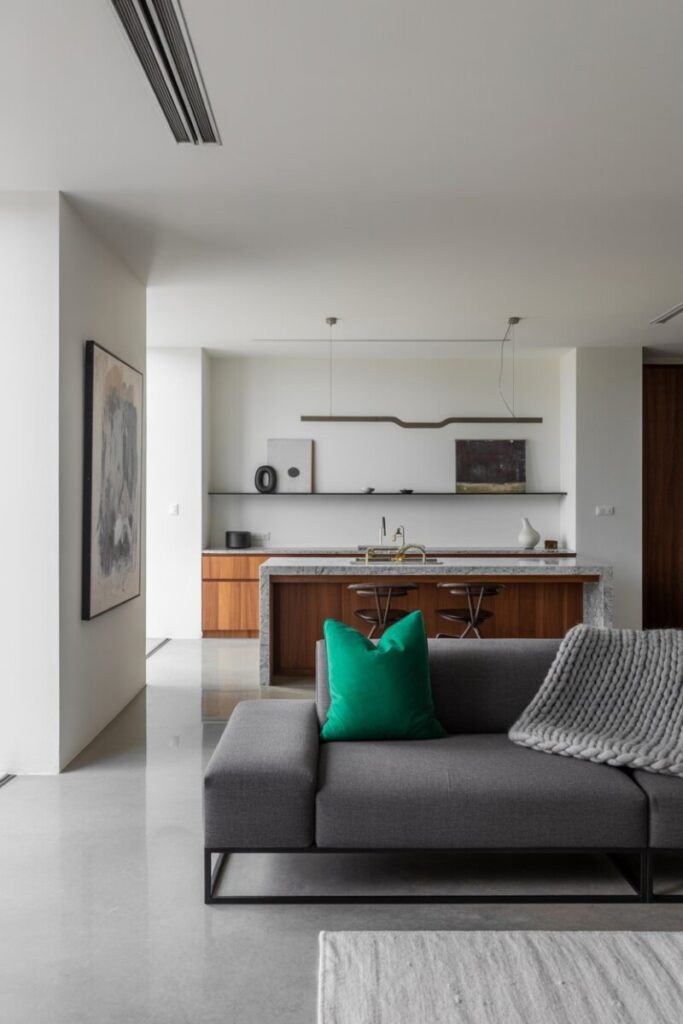
Defining characteristics: “Of the moment” design that reflects current trends—think clean lines, open spaces, and a curated, gallery-like feel. Unlike Modern (which references a specific era), Contemporary is always evolving.
Color palette: High-contrast neutrals (white, charcoal, black) with one or two bold accent colors like emerald, navy, or terracotta.
Key materials: Polished concrete, glass, lacquered wood, chrome, and marble.
Signature pieces: Sectional sofas with slim profiles, abstract artwork, sculptural lighting (like a linear pendant over a kitchen island), and floating shelves.
Layout & flow: Spacious and uncluttered; negative space is treated as a design element. Furniture is often modular.
Practical tip: Keep your Contemporary space from feeling cold by layering in one organic texture—a chunky knit throw or a jute area rug from Rugs USA.
Modern vs. Contemporary: What’s the difference? Modern refers to a specific historical period (mid-20th century) with fixed rules. Contemporary is fluid, borrowing from multiple styles and reflecting what’s trending right now.
3. Minimalist / Scandinavian
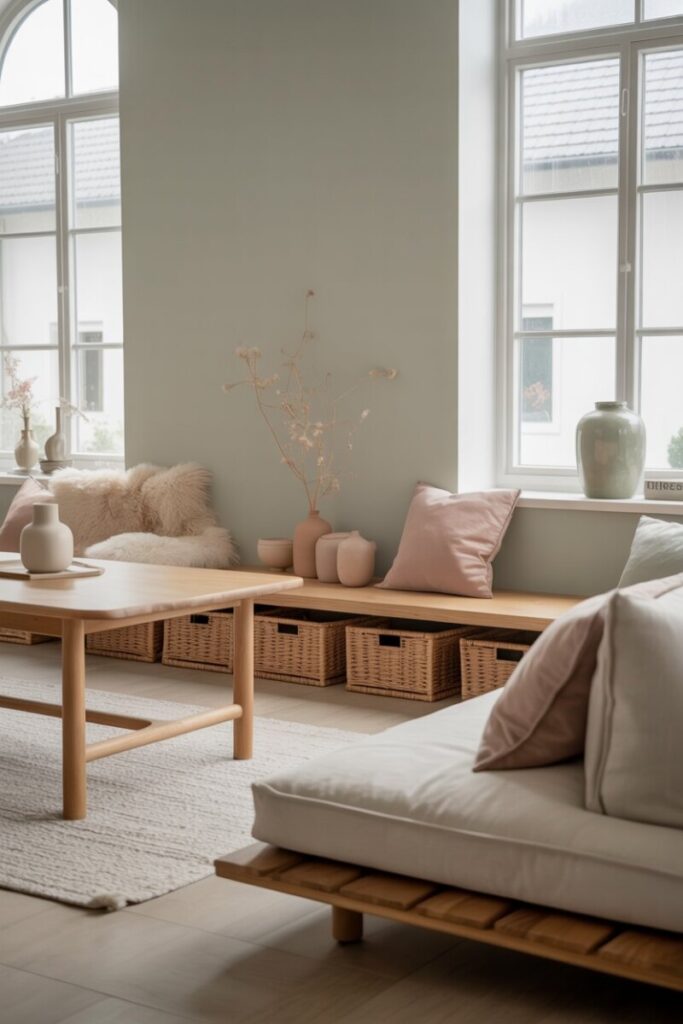
Defining characteristics: Rooted in Nordic design principles, this style champions function, simplicity, and hygge (cozy contentment). Every item earns its place.
Color palette: Predominantly white, soft gray, and pale wood tones, with muted pastels (blush, sage, dusty blue) as accents.
Key materials: Light oak, birch, pine, linen, wool, cotton, and matte ceramics.
Signature pieces: Clean-lined dining tables, low platform beds, woven storage baskets, simple pendant lights (think the PH5 lamp), and sheepskin throws.
Layout & flow: Airy and uncluttered with abundant natural light. Furniture is functional and multi-purpose—ideal for small US apartments.
Practical tip: Follow the “one in, one out” rule and invest in hidden storage. IKEA US and The Container Store are excellent for minimalist organization systems.
4. Traditional / Classic
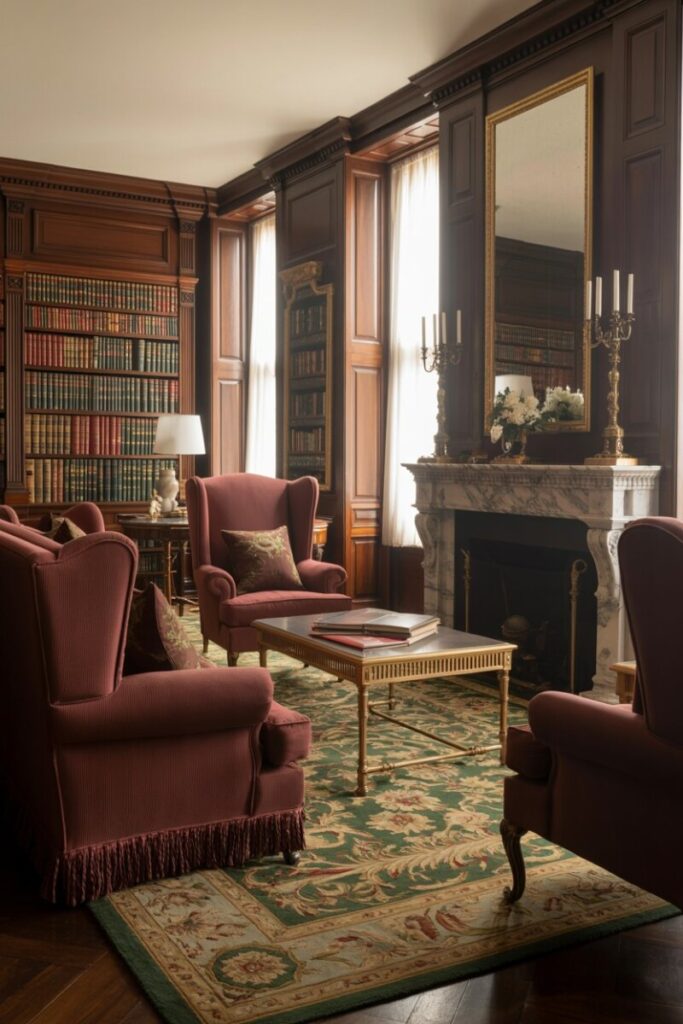
Defining characteristics: Inspired by 18th- and 19th-century European interiors, Traditional design is rich, symmetrical, and layered with history.
Color palette: Deep, warm tones—burgundy, forest green, navy, gold, and cream.
Key materials: Dark hardwoods (mahogany, cherry), silk, velvet, brocade, brass, and oil-rubbed bronze.
Signature pieces: Wingback chairs, rolled-arm sofas, four-poster beds, antique-inspired mirrors, oriental rugs, and built-in bookcases.
Layout & flow: Formal and symmetrical. Furniture is arranged in pairs facing a central focal point (fireplace, mantel, or picture window).
Practical tip: Traditional doesn’t have to feel stuffy. Modernize the look by pairing a classic rolled-arm sofa (try Pottery Barn or Ethan Allen) with contemporary art and a lighter paint color like Benjamin Moore’s Swiss Coffee.
5. Transitional
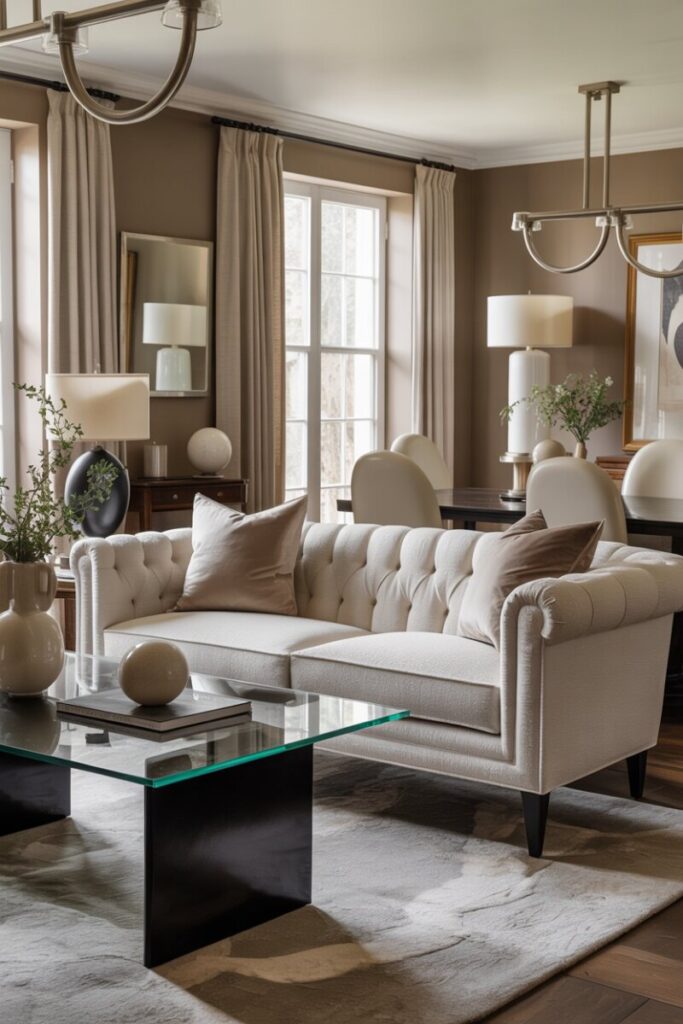
Defining characteristics: The best of both worlds—Transitional merges Traditional warmth with Modern clean lines. It’s the most popular style in US homes because it feels timeless without being fussy.
Color palette: Soft, neutral base (taupe, gray, cream, greige) with subtle tonal variation and occasional muted accents.
Key materials: Mix of wood tones, brushed nickel, glass, linen, and textured fabrics like bouclé and performance velvet.
Signature pieces: A traditional sofa shape reupholstered in a modern fabric, streamlined dining tables with classic chair silhouettes, and transitional lighting that blends curves and angles.
Layout & flow: Comfortable and balanced—neither too formal nor too sparse. Great for open-concept American homes.
Practical tip: If you’re redecorating a home with traditional “bones” (crown molding, wainscoting) but want a fresher feel, Transitional is your go-to. Start with a neutral rug and layer in furniture that bridges both eras.
6. Farmhouse / Modern Farmhouse
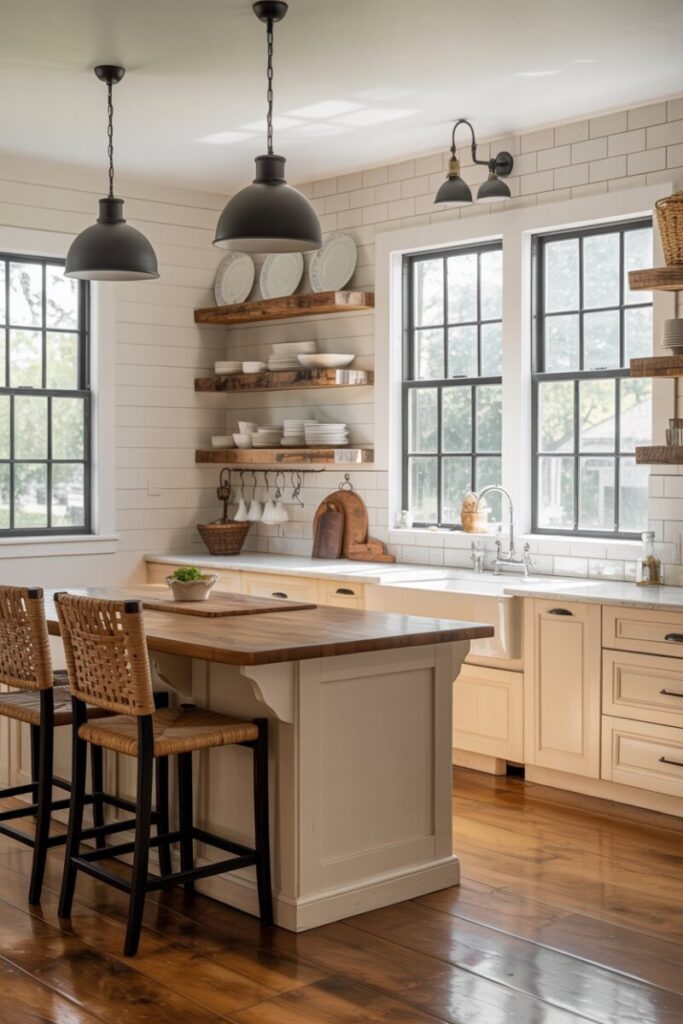
Defining characteristics: Rooted in rural American architecture, this style has been popularized by designers like Joanna Gaines. Modern Farmhouse updates classic country with cleaner lines and a neutral palette.
Color palette: Whites, creams, soft grays, and black accents, with natural wood tones providing warmth.
Key materials: Shiplap, reclaimed barn wood, galvanized metal, black matte iron, apron-front sinks, and subway tile.
Signature pieces: Farmhouse kitchen tables, open shelving with white dishware, sliding barn doors, apron-front (farmhouse) sinks, woven barstools, and vintage-inspired signage.
Layout & flow: Welcoming and family-centered. The kitchen is the heart of the home, often open to a great room.
Practical tip: You don’t need a rural property to pull off this look. In a suburban or urban home, focus on kitchen and dining area updates: shiplap accent wall, open shelving, and a farmhouse sink from retailers like Build.com or Ferguson.
Hybrid note: Industrial-Farmhouse blends shiplap and wood with exposed ductwork and metal pendants.
7. Rustic / Cabin
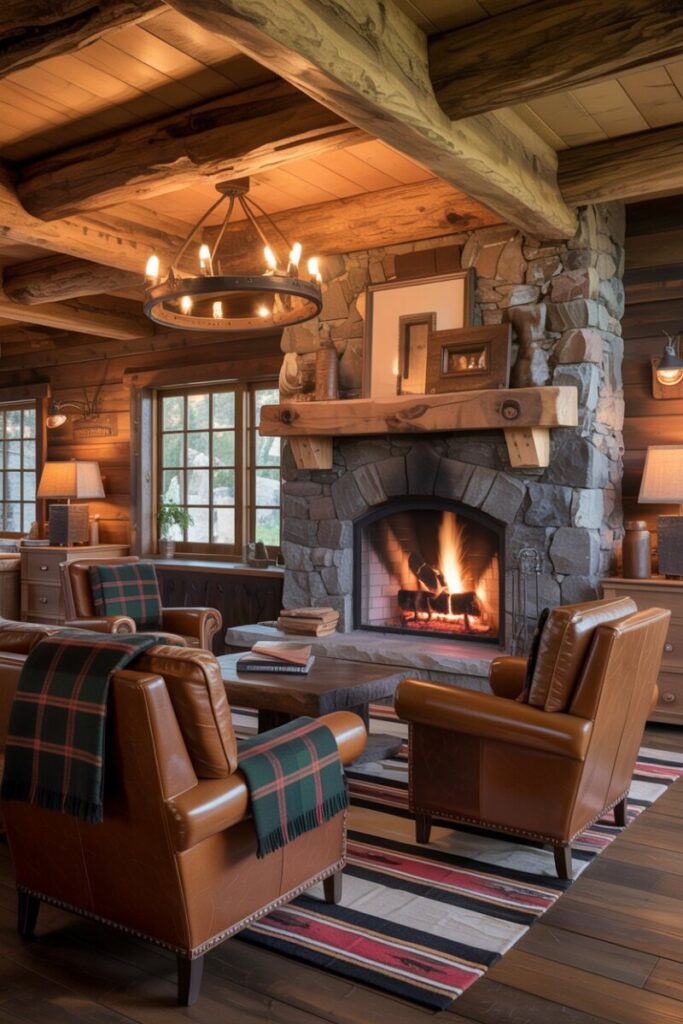
Defining characteristics: Celebrates raw, natural materials and a rugged, handcrafted feel. Think Pacific Northwest lodges, Colorado mountain retreats, and Adirondack camps.
Color palette: Earthy browns, deep greens, stone grays, and rustic reds—colors drawn directly from nature.
Key materials: Rough-hewn timber, stone, leather, antler, wrought iron, flannel, and faux fur.
Signature pieces: Log or live-edge furniture, stone fireplaces, leather club chairs, plaid and Native American-inspired textiles, and wrought-iron light fixtures.
Layout & flow: Cozy, anchored by a large fireplace or hearth. Rooms are intimate rather than sprawling.
Practical tip: Avoid going full “theme park cabin” unless you actually live in the mountains. Soften rustic elements with modern comforts—a live-edge dining table paired with sleek upholstered chairs keeps the look current.
8. Industrial
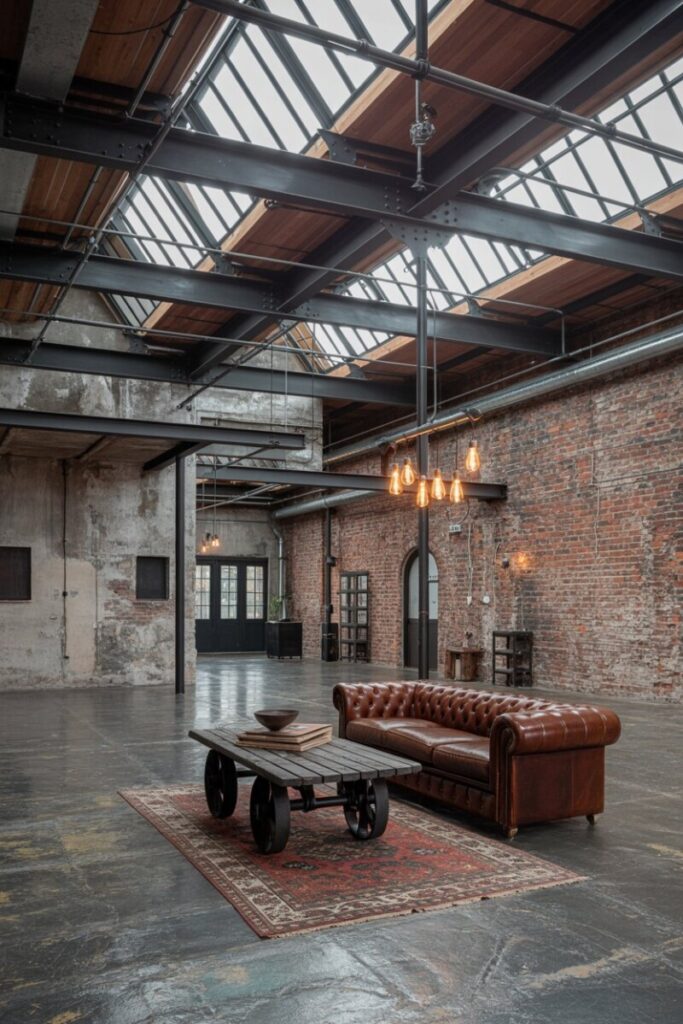
Defining characteristics: Born from converted urban warehouses and factories, Industrial design celebrates structural elements as decor—exposed brick, ductwork, concrete floors, and steel beams.
Color palette: Muted and moody—charcoal, matte black, weathered brown, rust, and raw concrete gray.
Key materials: Reclaimed wood, aged metal (iron, steel, copper), exposed brick, concrete, leather, and Edison-style bulbs.
Signature pieces: Metal-framed shelving, rolling library ladders, leather Chesterfield sofas, factory-cart coffee tables, pendant lights with visible filaments, and pipe-style clothing racks.
Layout & flow: Open, loft-like spaces with high ceilings. Zones are defined by area rugs and furniture placement rather than walls.
Practical tip: If your home doesn’t have exposed brick or ductwork, you can fake it with brick veneer panels (available at Home Depot) and industrial-style lighting from Wayfair or Lamps Plus. Ideal for urban apartments and converted spaces.
9. Bohemian (Boho)
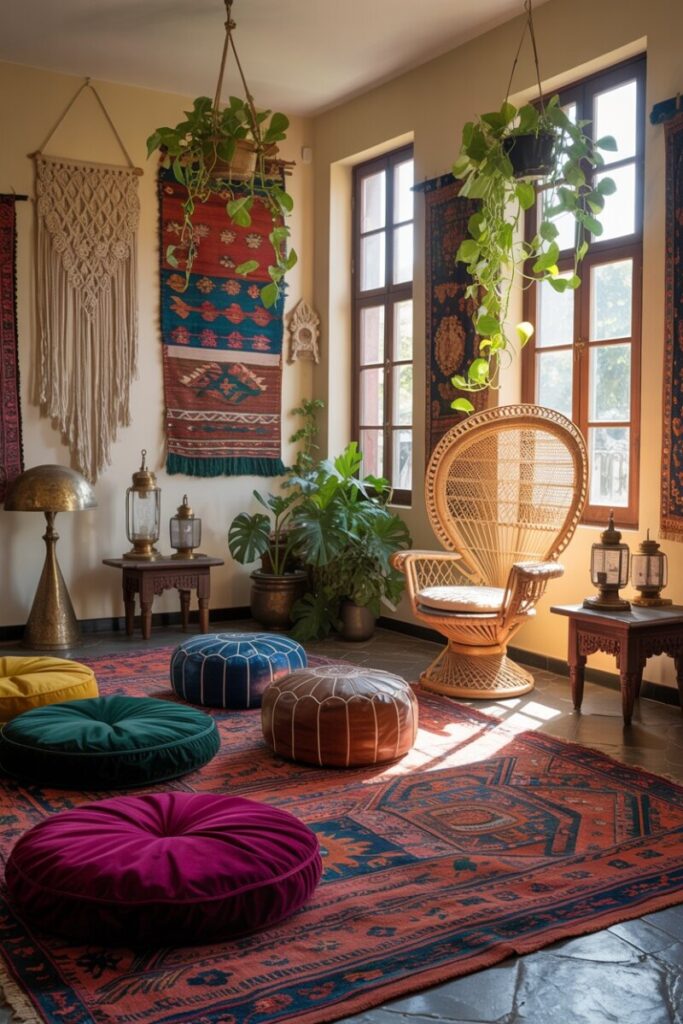
Defining characteristics: Free-spirited, layered, and deeply personal. Bohemian design pulls from global travels, vintage finds, and an “anything goes” philosophy—yet the best boho rooms are curated, not chaotic.
Color palette: Rich and saturated—terracotta, deep magenta, mustard, emerald, and indigo—layered over a base of cream or warm white.
Key materials: Rattan, macramé, kilim textiles, Moroccan leather, carved wood, woven wall hangings, and abundant plants.
Signature pieces: Low-slung floor seating, rattan peacock chairs, layered Persian and kilim rugs, hanging planters, tapestries, and vintage brass accents.
Layout & flow: Loose and inviting. Floor cushions, poufs, and low tables encourage relaxed gathering. No rigid symmetry.
Practical tip: The secret to successful boho decor ideas is layering with intention. Start with a neutral base (walls + large furniture), then layer in three to five textures and two to three pattern families. World Market, Etsy, and thrift stores are gold mines for boho pieces.
10. Coastal / Beach House
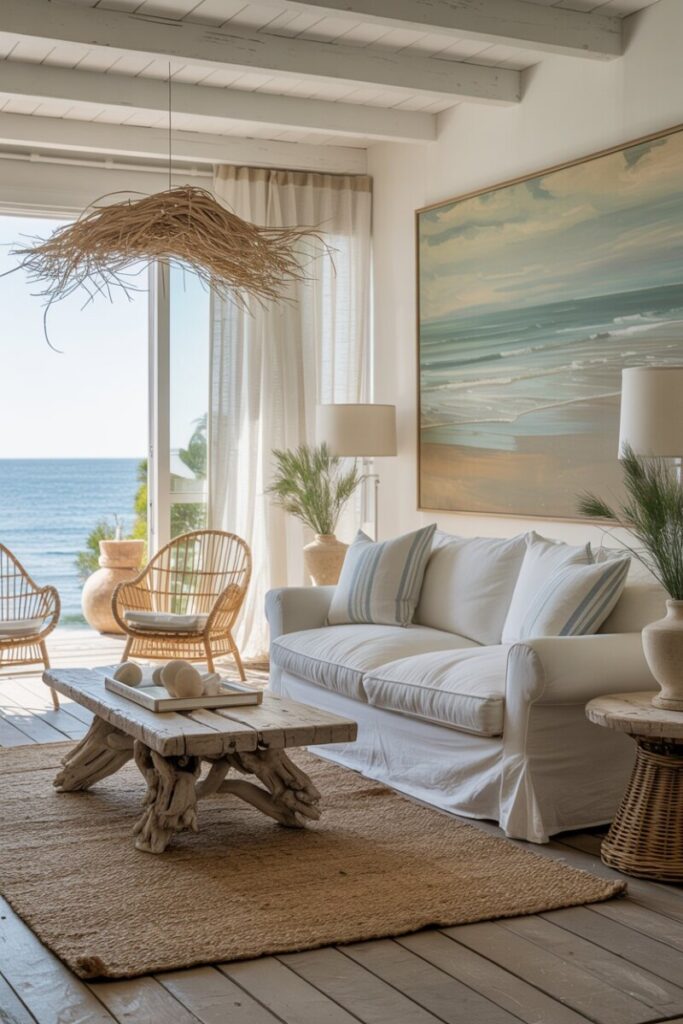
Defining characteristics: Evokes the relaxed elegance of a seaside retreat without resorting to shell-covered everything. The best coastal interiors feel breezy, light, and subtly nautical.
Color palette: Ocean-inspired—whites, soft blues, seafoam green, sandy beige, and driftwood gray.
Key materials: Whitewashed or light-toned wood, linen, cotton, jute, rattan, sea glass, and natural stone.
Signature pieces: Slipcovered sofas (white or blue stripe), sisal or jute rugs, woven pendant lights, driftwood accents, and oversized landscape art of shorelines.
Layout & flow: Open, airy, and oriented toward natural light and views. Large windows are left mostly bare or dressed with sheer curtains.
Practical tip: Coastal style works beautifully even in landlocked states. Focus on the feeling—light, calm, breezy—rather than literal beach motifs. Pottery Barn’s coastal collections and Serena & Lily are excellent resources.
Climate note: In humid coastal regions (Florida, the Carolinas, Gulf Coast), choose performance fabrics and moisture-resistant materials like teak and synthetic wicker for longevity.
11. Mediterranean / Spanish Revival
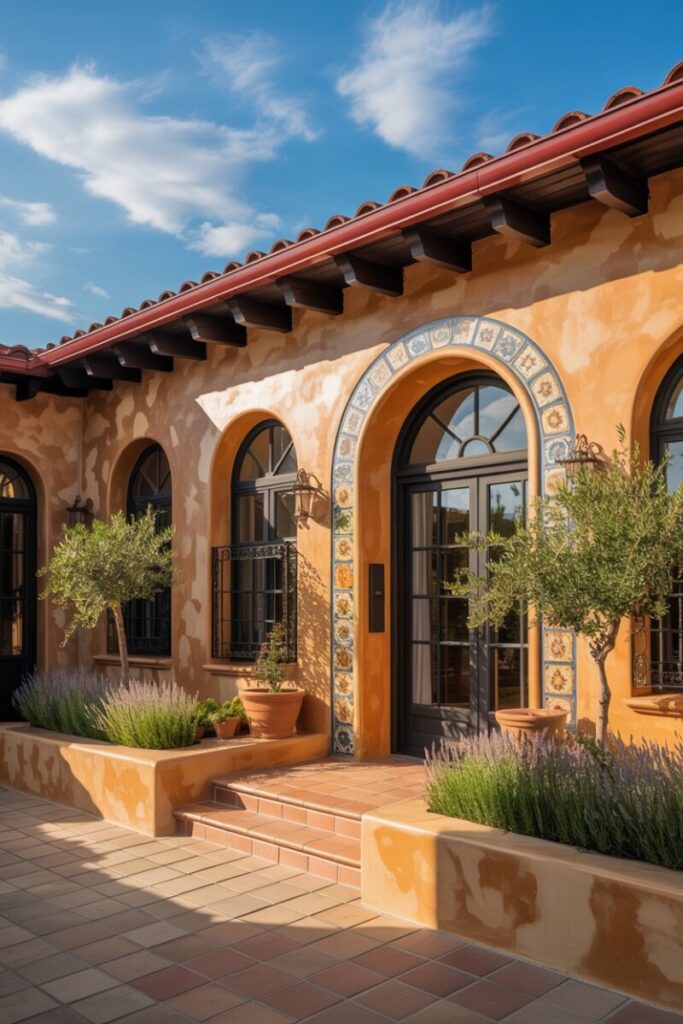
Defining characteristics: Inspired by the sun-soaked architecture of Southern Europe, Northern Africa, and the American Southwest. Common in California, Florida, Texas, and Arizona.
Color palette: Warm terracotta, ochre, olive green, deep blue, and sun-bleached white.
Key materials: Stucco walls, terracotta tile (Saltillo), wrought iron, hand-painted ceramic tile, arched doorways, and dark wood beams (vigas).
Signature pieces: Arched niches, Talavera tile accents, iron chandeliers, heavy wood doors, built-in window seats, and terra cotta planters with olive trees or lavender.
Layout & flow: Courtyards, arcades, and rooms that flow to outdoor living spaces. Interiors feel thick-walled and protective from heat.
Practical tip: If your home has Mediterranean architectural bones (arched windows, stucco exterior), lean into it—fighting the architecture is a losing battle. Add terracotta tile from Floor & Decor, wrought-iron hardware from Rustica, and warm textiles to complete the look.
12. Eclectic / Global
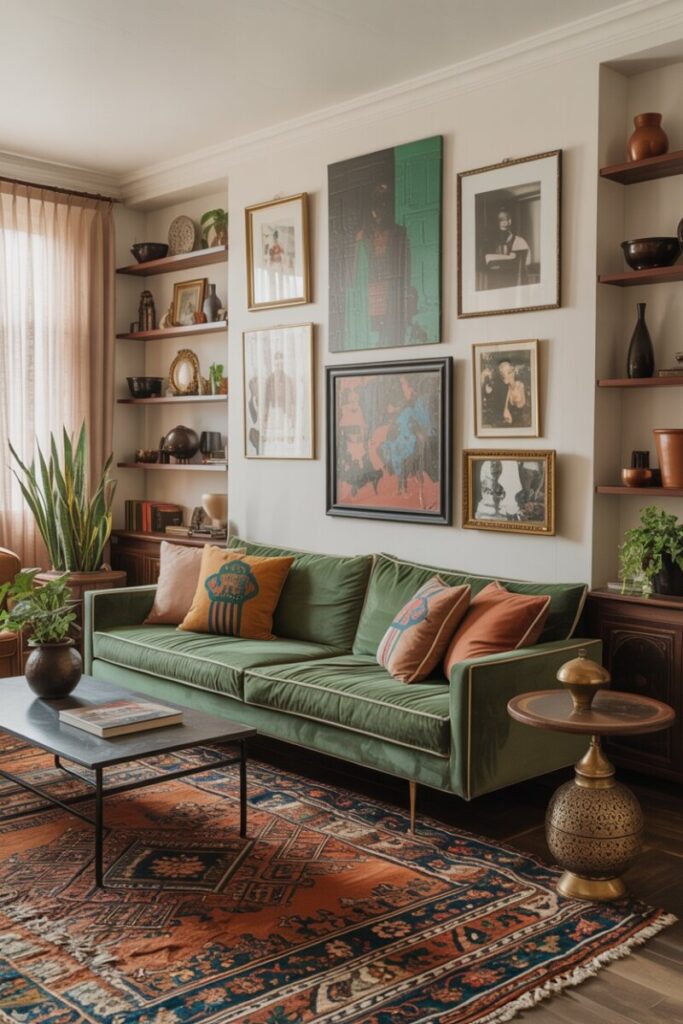
Defining characteristics: A curated mash-up of eras, cultures, and styles held together by a unifying color story or theme. The best eclectic rooms tell a story—they look collected over time, not decorated all at once.
Color palette: Can be anything, but successful eclectic rooms typically anchor on two to three harmonious colors that repeat across disparate pieces.
Key materials: Varied—mix vintage and new, global textiles, found objects, art, and statement furniture from different periods.
Signature pieces: A mid-century sofa paired with an antique Persian rug, African mud cloth pillows, contemporary abstract art, and a Moroccan lantern. The mix is the point.
Layout & flow: Gallery walls, styled bookshelves, and conversation areas that invite exploration and storytelling.
Practical tip: Follow the 70/20/10 rule: 70% of pieces from your dominant style, 20% from a secondary style, and 10% wild-card surprises. This prevents the room from looking like a flea market explosion.
Room-by-Room: Applying Styles in Your Home
Here’s how to translate your chosen style into room by room decorating tips that actually work:
Living Room
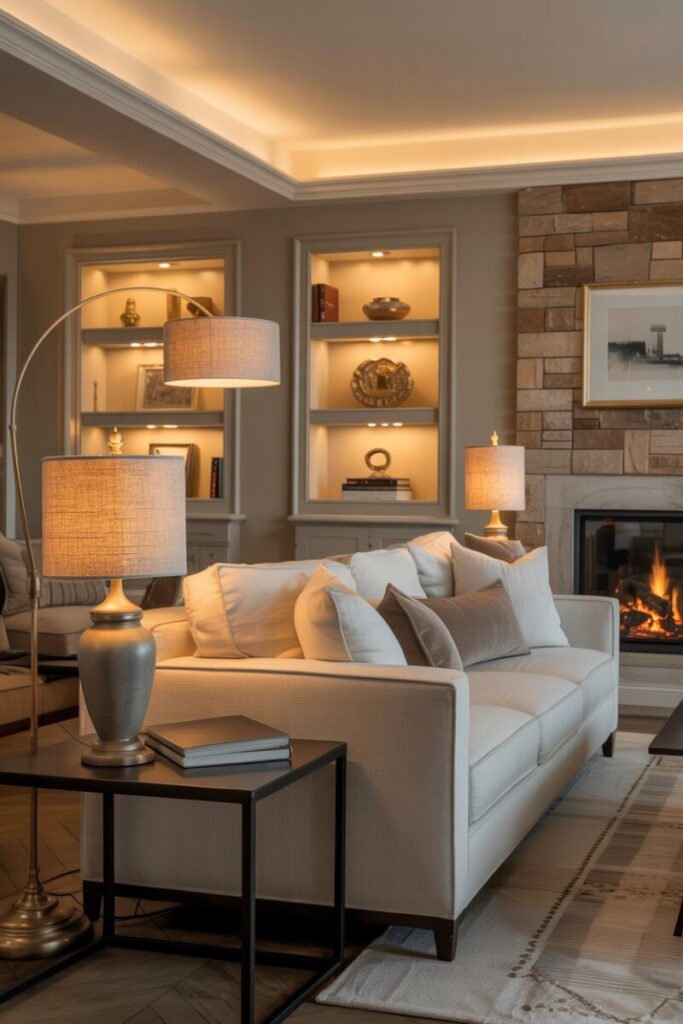
Your living room is the style showcase. Anchor it with a statement sofa in your style’s signature silhouette (rolled-arm for Traditional, low-profile for Modern, slipcovered for Coastal). Add layered lighting—a floor lamp + table lamp + overhead—to create warmth and dimension. The focal point (fireplace, art wall, or media center) should reflect your style’s core materials.
Kitchen
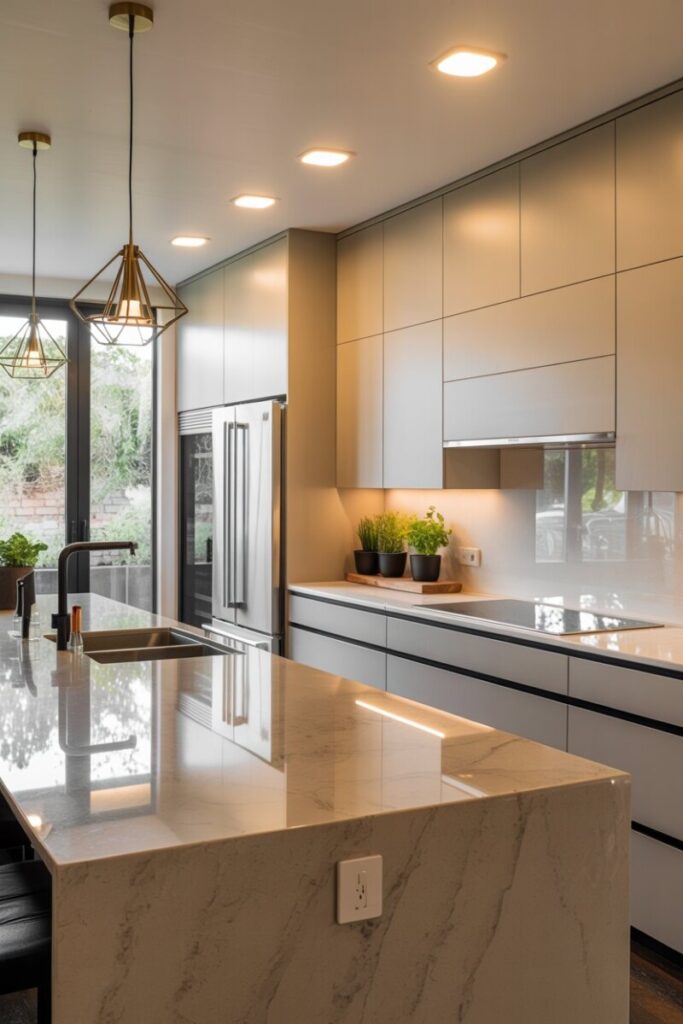
Kitchens are where materials do the heavy lifting. Farmhouse? Go with shaker cabinets, a farmhouse sink, and open shelving. Industrial? Try open metal shelving, concrete countertops, and matte black fixtures. Contemporary? Flat-panel cabinets, waterfall quartz islands, and integrated appliances.
Bedroom
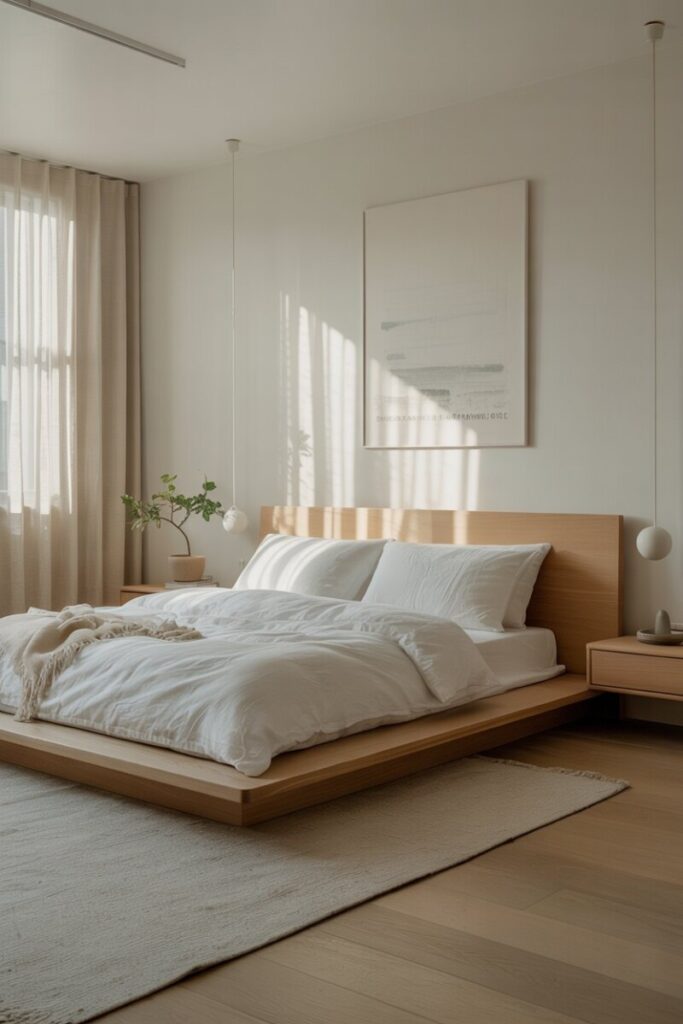
Prioritize calm and comfort. Scandinavian and Minimalist bedrooms thrive on crisp white bedding and simple nightstands. Traditional bedrooms love upholstered headboards and layered bedding with a coverlet and shams. Boho bedrooms use layered textiles, macramé wall hangings, and ambient lighting from Moroccan-style lanterns.
Bathroom
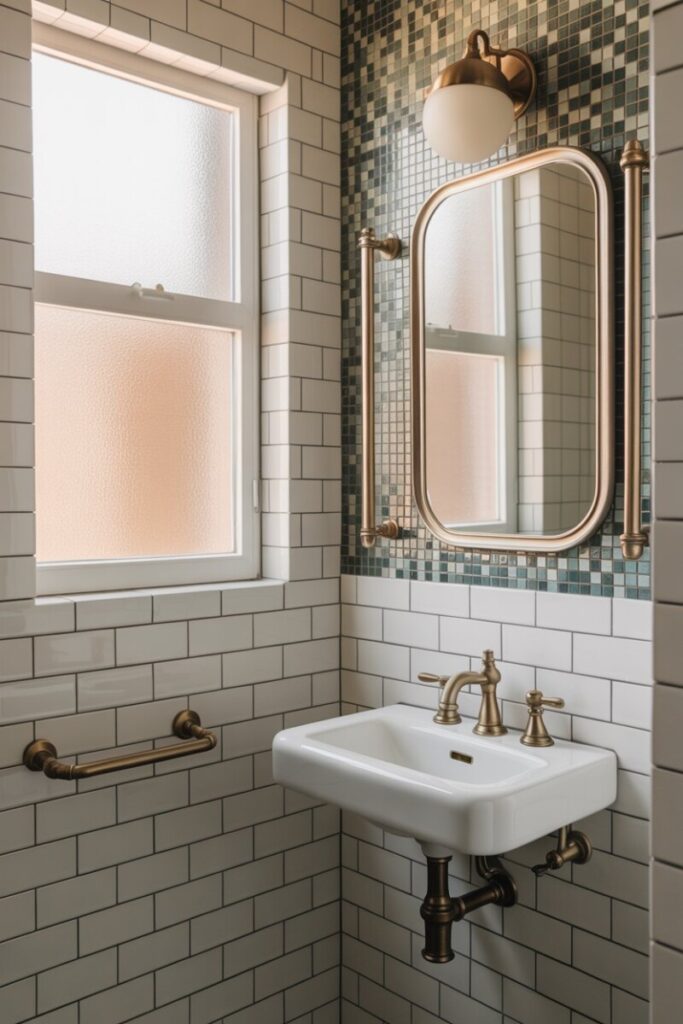
Small spaces are perfect for concentrated style impact. Use tile as your primary style vehicle—subway tile for Transitional or Farmhouse, zellige for Mediterranean, hex for Contemporary. Update hardware (faucets, towel bars, mirror frames) in your style’s signature finish.
Entry
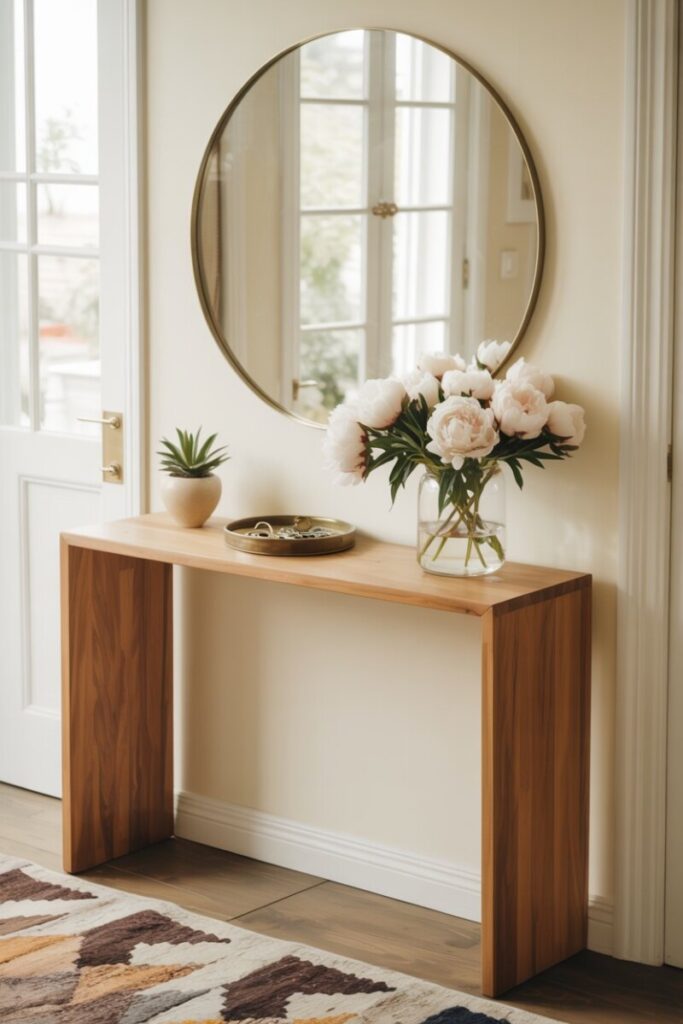
Your entry sets the tone for the entire home. A console table, mirror, and rug in your dominant style create an instant first impression. Add a catch-all tray and a small plant or vase of fresh flowers for warmth.
Budget Shopping: Where to Buy Furniture in the US
Affordable home decor is within reach at every price point. Here’s how to source smartly:
| Budget Level | Where to Shop | Strategy |
|---|---|---|
| Low ($) | IKEA US, Target (Threshold, Project 62), Wayfair, Amazon, thrift stores, Facebook Marketplace | Focus on big-impact, low-cost swaps: paint, hardware, rugs, throw pillows. Thrift solid-wood furniture and refinish it. |
| Mid ($$) | West Elm, CB2, World Market, Article, Joybird, Crate & Barrel | Invest in anchor pieces (sofa, dining table) and save on accessories. Look for seasonal sales (Labor Day, Black Friday, Presidents’ Day). |
| High ($$$) | Design Within Reach, Restoration Hardware, Serena & Lily, local artisans, trade showrooms | Spend on investment pieces that last decades. Use a trade program or interior designer for access pricing. |
Pro tips for scoring deals:
- Sign up for email lists—most retailers send a 10–15% first-purchase coupon.
- Shop floor models and “open box” items at West Elm and CB2 for 30–50% off.
- Check Habitat for Humanity ReStores for building materials and vintage finds at steep discounts.
- Etsy connects you with US-based artisans for custom, one-of-a-kind pieces.
💡 When to splurge: Your sofa, your mattress, and your dining table—items you use daily and that need to last 10+ years.
Tips for Mixing Styles Without Clashing
Most beautifully designed homes are not “pure” anything. Here are four rules of thumb:
- Unify with a consistent color palette. A shared set of two to three colors ties together pieces from different eras and styles.
- Repeat finishes. If your lighting is brushed brass, carry that into cabinet hardware, mirror frames, and decorative objects.
- Balance scale. Pair a chunky, oversized Traditional sofa with sleek, slim Modern side tables—or vice versa. Contrast creates visual interest.
- Anchor with a hero piece. Let one bold statement piece (a vintage rug, an art collection, a sculptural light) set the tone, and let everything else support it.
Remember the 70/20/10 rule from the Eclectic section—it’s the single most useful formula for mixing styles confidently.
Color, Texture, and Fabric Guide
Your color palette is the backbone of your design style. Here’s how to build one:
- Start with a neutral base (60% of the room): walls, large furniture, and flooring. Warm styles (Farmhouse, Traditional, Rustic) use warm whites and creams. Cool styles (Modern, Scandinavian, Contemporary) use cooler grays and crisp whites.
- Add a secondary color (30%): curtains, area rugs, accent chairs. This should complement your architecture and regional climate—warmer tones in northern states, cooler tones in the Sun Belt.
- Layer in accent colors and textures (10%): pillows, art, throws, decorative objects.
Textures to layer by style:
| Style | Key Textures |
|---|---|
| Farmhouse | Shiplap, linen, galvanized metal, jute |
| Boho | Macramé, kilim, rattan, faux fur |
| Industrial | Raw brick, aged leather, concrete, iron |
| Scandinavian | Sheepskin, light wood, woven wool, matte ceramic |
| Coastal | Linen, sisal, sea glass, whitewashed wood |
For paint, trust US favorites: Benjamin Moore, Sherwin-Williams, and Farrow & Ball (available nationwide). Always test samples in your actual lighting before committing.
Inspiration: Tools, Blogs, and Mood-Board Resources
Build your vision with these trusted resources:
- Mood board tools: Canva (free templates), Milanote, Morpholio Board app
- Paint visualizers: Sherwin-Williams ColorSnap, Benjamin Moore Personal Color Viewer
- Design blogs & accounts: Apartment Therapy, Emily Henderson, Chris Loves Julia, Amber Interiors, Studio McGee
- Where to browse: Pinterest, Houzz, Instagram (search hashtags like #interiordesignstyles, #homedecorideas)
- Local US resources: Check your city’s design district (LA’s Pacific Design Center, Chicago’s Merchandise Mart, NYC’s D&D Building) for trade showrooms and free public events
- Free inspiration: The mood board ideas for interior design on Pinterest are endless—create a board for each room and pin freely before editing down to your final selections
Final Steps: Create Your Mood Board
Your perfect interior design style is the one that makes you feel at home—literally. Take the quiz above, browse the 12 styles, and start a digital mood board today.
Ready to get started?
👉 Tell us in the comments: Which style speaks to you? Are you a Farmhouse devotee, a Boho free spirit, or a Minimalist at heart?
Happy decorating—your home is waiting.